
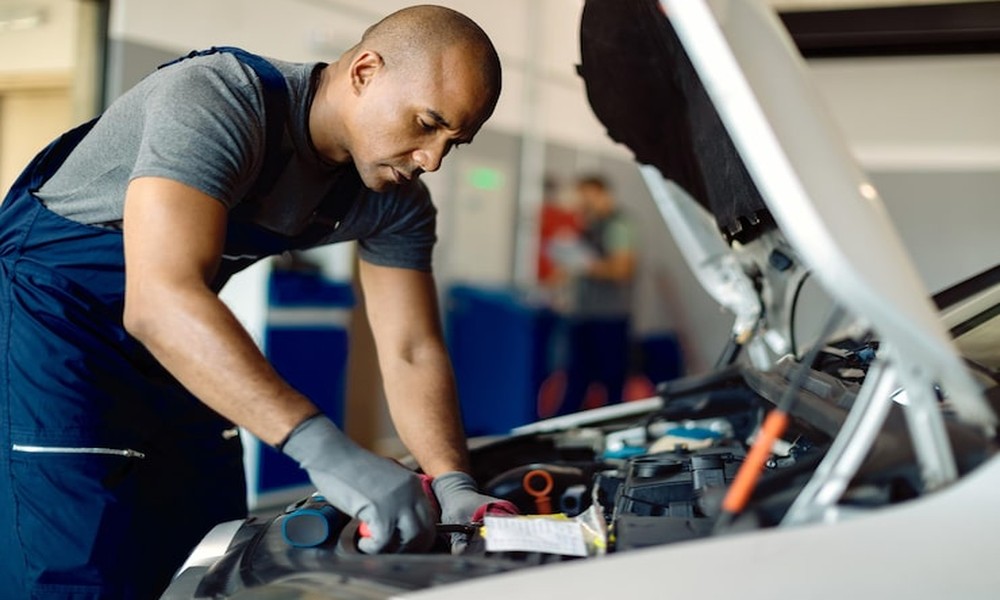
The modern vehicle relies on intricate electrical systems. Power locks provide both convenience and essential safety. However, a failing relay can disrupt this harmony. When the relay stutters, your door locks hesitate. This delay creates frustration for every vehicle owner. Sometimes, the locks might even fail completely. Understanding these relay issues helps maintain vehicle security. Proper maintenance ensures that your doors respond instantly. Auto Repair in Waterloo, IA experts often see these specific electrical faults. Reliable service from AutoCare ensures your locking system stays crisp.
The Role of the Power Lock Relay
The relay acts as a high-current electrical switch. It receives a signal from the door switch. Now, the relay sends power to the actuators. This process happens in a fraction of a second. But internal wear slows down this vital connection. Dirt or heat can degrade the internal metal contacts. Then, the electrical current flows much more slowly. You might press the button and wait. The doors finally click after a noticeable pause. Consistent performance is a hallmark of AutoCare service.
Why Relay Wear Impacts Lock Timing
Electrical resistance increases as the relay components age. Old relays struggle to bridge the internal gap. This struggle manifests as a timing delay. Sometimes, the copper coils lose their magnetic strength. The mechanical arm moves with much less vigor. Consequently, the pulse reaches the door much later. High humidity often accelerates this internal metal corrosion. Moisture creates a thin layer of resistive oxidation. This layer forces the electricity to work harder. The relay eventually clicks but with great effort. AutoCare technicians specialize in diagnosing these hidden electrical hurdles.
Recognizing the Signs of a Lazy Relay
You should listen for a faint clicking sound. A healthy relay makes a sharp, rhythmic noise. Weak relays produce a dull or muffled thud. This sound indicates a slow mechanical engagement process. The door lock plunges with a sluggish motion. Sometimes, only one door shows this peculiar behavior. This happens when individual relays control separate door zones. You might notice the delay during cold mornings. Low temperatures increase the resistance in worn wires. The lock timing becomes erratic and very unpredictable.
The Dangers of Hesitant Door Locks
Delayed locking compromises the safety of your vehicle. A thief might strike during that brief hesitation. You assume the car is already fully secure. But the doors remain unlocked for several seconds. This window of time allows for easy intrusion. Personal safety also depends on immediate door activation. You need the locks to engage right away. A slow relay leaves you feeling quite vulnerable. Efficient electrical systems prevent these scary security gaps. Reliability remains the most important factor for drivers.

Comments are closed.