Category

SUVs

Category

Off-road SUVs have come a long way in terms of capabilities and performance since their inception. From simple utility vehicles to high-tech machines designed to tackle the toughest terrains, the evolution of off-road SUVs has been remarkable. Let’s take a closer look at how these vehicles have evolved over the years.

Early Off-Road SUVs

In the early days, off-road SUVs were primarily used for military purposes and agricultural work. They were rugged and reliable, designed to traverse rough terrain and carry heavy loads. These vehicles lacked the comfort and luxury features that we see in modern SUVs but were built to be tough and durable.

Introduction of 4WD Systems

One of the key advancements in off-road SUV capabilities was the introduction of 4WD systems. This allowed SUVs to send power to all four wheels, providing better traction and control on challenging surfaces such as mud, sand, and rocks. 4WD systems significantly improved the off-road performance of SUVs, making them more versatile and capable in various off-road conditions.

Advanced Suspension Systems

Modern off-road SUVs are equipped with advanced suspension systems that offer improved ride comfort and off-road capabilities. Features such as adjustable air suspensions, electronic damping control, and off-road specific settings allow SUVs to adjust to different terrains and driving conditions. These systems provide a smoother ride on rough surfaces and enhance the vehicle’s off-road performance.

Off-Road Driving Modes

Many off-road SUVs now come with specific driving modes designed for different off-road conditions. These modes adjust the vehicle’s traction control, throttle response, and suspension settings to optimize performance on surfaces like snow, mud, sand, and rocks. Off-road driving modes make it easier for drivers to tackle challenging terrains and enhance the overall off-road experience.

Technology Integration

Modern off-road SUVs are equipped with a range of advanced technologies that enhance their off-road capabilities. Features such as hill descent control, terrain response systems, off-road cameras, and advanced traction control systems help drivers navigate difficult terrain with ease. These technologies make off-road driving safer, more efficient, and more enjoyable for enthusiasts.

Future of Off-Road SUVs

As technology continues to advance, we can expect off-road SUVs to become even more capable and versatile in the future. Innovations in electric and hybrid powertrains, autonomous off-road driving systems, and advanced materials will further enhance the off-road performance of SUVs. The future of off-road SUVs looks promising, with vehicles that are more capable, efficient, and sustainable than ever before.

In conclusion, the evolution of off-road SUV capabilities has been driven by advancements in technology, engineering, and design. From basic utility vehicles to high-tech off-road machines, SUVs have come a long way in terms of performance and versatility. With continuous innovation and development, off-road SUVs will continue to push the boundaries of what is possible in off-road driving.

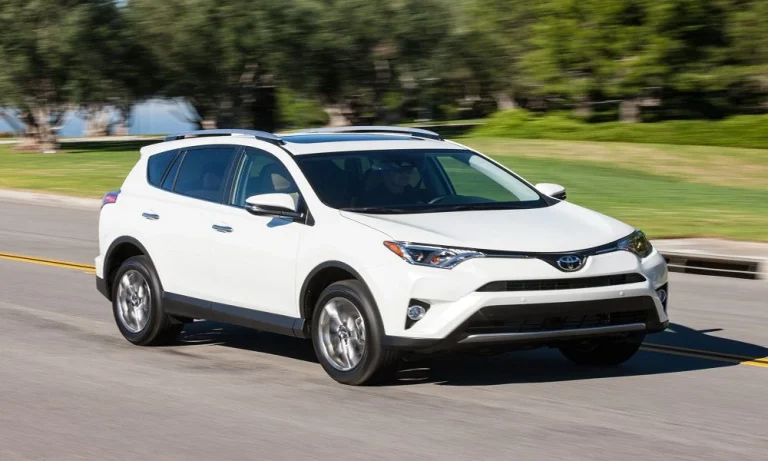
Compact SUVs have gained immense popularity in the automotive market due to their ability to combine efficiency with utility seamlessly. These vehicles offer a perfect balance between fuel efficiency, versatility, and practicality, making them an ideal choice for individuals and families alike. Let’s delve deeper into why compact SUVs are the go-to option for many modern car buyers.

Efficiency

One of the key advantages of compact SUVs is their efficiency. These vehicles are designed to provide better fuel economy compared to their larger counterparts, making them a cost-effective option for daily commuting and long road trips. With advancements in technology, many compact SUV models now come equipped with fuel-efficient engines and hybrid options, further enhancing their efficiency.

Utility

Compact SUVs are known for their versatility and utility. Despite their smaller size, these vehicles offer ample cargo space and comfortable seating for passengers. The flexible interior design of compact SUVs allows for easy customization to accommodate various storage needs, whether it’s hauling groceries, sports equipment, or luggage for a weekend getaway.

Features

Compact SUVs often come equipped with a range of modern features that enhance the driving experience. From advanced safety technologies like lane departure warning and automatic emergency braking to convenience features such as touchscreen infotainment systems and smartphone integration, compact SUVs offer a high level of comfort and convenience for both the driver and passengers.

Performance

While compact SUVs prioritize efficiency and utility, they also deliver impressive performance on the road. Many models come with powerful engines that provide a smooth and responsive driving experience, whether you’re navigating city streets or cruising on the highway. Additionally, compact SUVs typically have higher ground clearance, making them suitable for off-road adventures and tackling various terrains.

In conclusion, compact SUVs have become a popular choice for consumers looking for a vehicle that combines efficiency with utility. With their fuel-efficient engines, versatile interior space, modern features, and reliable performance, compact SUVs offer a well-rounded driving experience that caters to a wide range of needs. Whether you’re a solo commuter, a small family, or an outdoor enthusiast, a compact SUV could be the perfect choice for your next vehicle purchase.

Experience the best of both worlds with a compact SUV the perfect blend of efficiency and utility in a stylish and practical package.

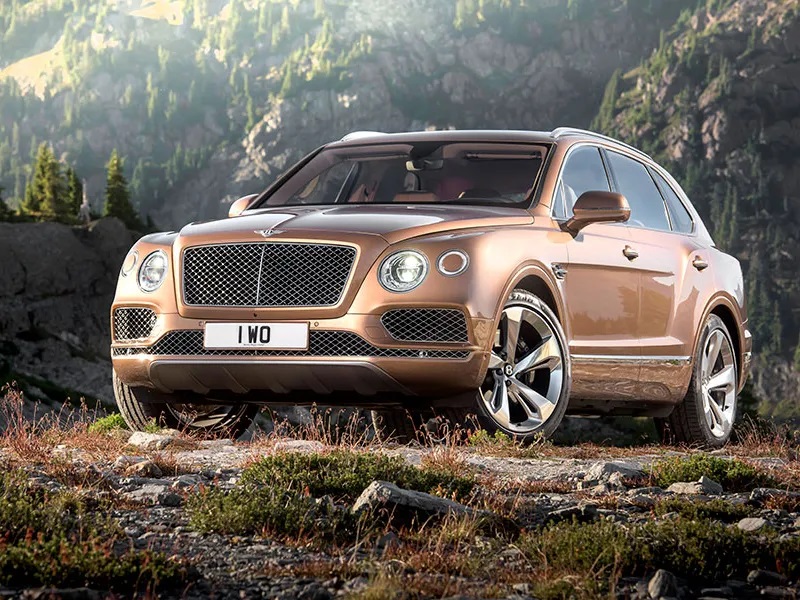
When it comes to luxury SUVs, the hefty price tag often raises eyebrows. However, these high-end vehicles come packed with a plethora of features that truly justify their premium cost. From advanced technology to superior comfort and safety enhancements, luxury SUVs offer a driving experience like no other.

1. Cutting-Edge Technology

One of the standout features of luxury SUVs is the cutting-edge technology integrated into these vehicles. From large touchscreen infotainment systems to advanced driver-assist features, these SUVs are equipped with the latest innovations to enhance the driving experience. Features such as adaptive cruise control, lane-keeping assist, and panoramic cameras provide both convenience and safety for the driver and passengers.

2. Premium Interior Design

Step inside a luxury SUV, and you will immediately notice the attention to detail in the interior design. High-quality materials, such as premium leather upholstery, real wood trim, and soft-touch surfaces, create a luxurious ambiance that sets these vehicles apart from their mainstream counterparts. The ergonomic design of the seats, along with customizable seating configurations, ensures maximum comfort for all occupants.

3. Superior Performance

Luxury SUVs are not just about looks and comfort; they also deliver superior performance on the road. Equipped with powerful engines and advanced suspension systems, these vehicles offer a smooth and dynamic driving experience. Whether you are navigating city streets or tackling off-road terrain, luxury SUVs provide a blend of performance and agility that justifies their price tag.

4. Safety Features

When it comes to safety, luxury SUVs spare no expense in ensuring the well-being of their occupants. From advanced collision avoidance systems to night vision cameras and pedestrian detection technology, these vehicles are equipped with a range of safety features that prioritize protection. With multiple airbags, stability control, and advanced braking systems, luxury SUVs provide peace of mind for both the driver and passengers.

5. Customization Options

Another factor that justifies the price tag of luxury SUVs is the ability to customize and personalize the vehicle according to individual preferences. From paint colors and interior trims to technology packages and performance upgrades, buyers have the freedom to tailor their SUV to suit their unique tastes and lifestyle. This level of customization adds to the exclusivity and luxury appeal of these vehicles.

In conclusion, luxury SUVs offer a range of features that justify their premium price tag. From advanced technology and premium interior design to superior performance and safety enhancements, these vehicles deliver a driving experience that is unparalleled. With the ability to customize and personalize every aspect of the vehicle, luxury SUVs cater to discerning buyers looking for a combination of luxury, comfort, and performance in their vehicle.

Hybrid SUVs are becoming increasingly popular as they offer a bridge between traditional internal combustion engines and fully electric vehicles. With growing concerns about climate change and the need to reduce carbon emissions, hybrid SUVs are emerging as a viable option for eco-conscious consumers looking to make a more sustainable choice.

What are Hybrid SUVs?

A hybrid SUV combines a conventional gasoline engine with an electric motor and battery pack. This dual powertrain system allows the vehicle to operate using either the gasoline engine, the electric motor, or a combination of both. By utilizing electric power, hybrid SUVs can reduce fuel consumption and emissions compared to their traditional counterparts.

Benefits of Hybrid SUVs

1. Environmental Impact: Hybrid SUVs emit lower levels of greenhouse gases and pollutants, contributing to a cleaner environment.

2. Fuel Efficiency: The combination of a gasoline engine and electric motor in hybrid SUVs results in improved fuel efficiency, saving drivers money on fuel costs in the long run.

3. Reduced Dependence on Fossil Fuels: By incorporating electric power, hybrid SUVs help reduce the reliance on fossil fuels, which are finite resources.

The Transition to Electric Vehicles

Hybrid SUVs play a crucial role in the transition to fully electric vehicles. While electric cars are gaining popularity, concerns such as limited range and charging infrastructure still hinder their widespread adoption. Hybrid SUVs offer a familiar driving experience with the added benefit of reduced emissions, making them a practical choice for consumers hesitant to switch to fully electric vehicles.

The Future of Hybrid SUVs

As technology advances and battery costs decrease, hybrid SUVs are expected to become even more efficient and affordable. Manufacturers are investing in research and development to enhance the performance and sustainability of hybrid vehicles, paving the way for a greener automotive industry.

In conclusion, hybrid SUVs serve as a crucial stepping stone in the transition to electric vehicles. By offering a balance between traditional gasoline-powered cars and fully electric models, hybrid SUVs cater to consumers seeking a greener alternative without compromising on convenience and driving range. As the automotive industry continues to evolve, hybrid SUVs are poised to play a significant role in reducing emissions and shaping a more sustainable future.

When it comes to choosing a vehicle, safety is often a top priority for many consumers. SUVs have become increasingly popular due to their spacious interiors, versatility, and perceived safety features. However, how do SUVs really stack up against other types of vehicles in terms of safety ratings?

SUV Safety Ratings

SUVs have historically been known for their robust construction and size, which can provide a sense of security for drivers and passengers. Many SUVs come equipped with advanced safety features such as multiple airbags, stability control, and crash avoidance systems. These features have contributed to SUVs generally receiving good safety ratings from organizations like the Insurance Institute for Highway Safety (IIHS) and the National Highway Traffic Safety Administration (NHTSA).

However, it’s essential to note that not all SUVs are created equal when it comes to safety. Some SUV models perform better in crash tests and have lower incidences of rollovers compared to others. It’s crucial for consumers to research specific SUV models to determine their safety ratings before making a purchase.

Comparing SUVs to Other Vehicles

While SUVs have their safety advantages, they are not always the safest option when compared to other types of vehicles. Sedans, for example, often have lower centers of gravity, which can make them less prone to rollovers in certain situations. Additionally, some compact cars come equipped with advanced safety technology that rivals the safety features found in SUVs.

When comparing SUVs to other vehicles, it’s essential to consider factors such as crash test ratings, safety features, and overall vehicle design. Different types of vehicles may excel in various safety aspects, so it’s crucial for consumers to prioritize the safety features that matter most to them.

Choosing the Safest Vehicle for You

Ultimately, the safest vehicle for you will depend on your individual needs and preferences. If you prioritize space, versatility, and a higher seating position, an SUV may be the right choice for you. However, if safety ratings are your primary concern, it’s essential to research and compare different types of vehicles to find the one that best meets your safety requirements.

  • Consider the crash test ratings of different vehicles.
  • Look for advanced safety features such as automatic emergency braking and lane-keeping assist.
  • Compare the safety ratings of SUVs to sedans, trucks, and compact cars.

Ultimately, no matter what type of vehicle you choose, prioritizing safety should always be at the forefront of your decision-making process. Stay informed, do your research, and choose a vehicle that provides you with the peace of mind you need to drive confidently on the road.