Author

Karen Downing

Browsing

In recent years, the automotive industry has witnessed a significant shift towards leveraging artificial intelligence (AI) for predictive auto maintenance. This innovative approach is revolutionizing how vehicles are serviced and maintained, offering numerous benefits to both car owners and service providers.

Understanding the Role of AI in Predictive Auto Maintenance

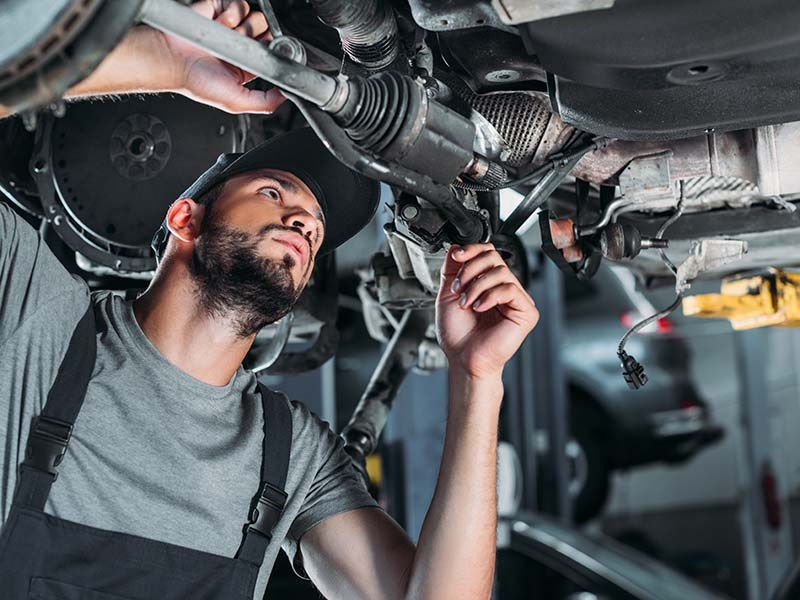
AI-powered predictive maintenance utilizes advanced algorithms and machine learning to analyze vast amounts of data collected from vehicles in real-time. By monitoring various performance metrics and patterns, AI can accurately predict when a component is likely to fail or require maintenance. This proactive approach helps prevent unexpected breakdowns, reduces repair costs, and improves overall vehicle reliability.

One of the key advantages of AI predictive maintenance is its ability to optimize service schedules based on actual vehicle conditions rather than generic mileage intervals. By tailoring maintenance tasks to each vehicle’s specific needs, AI ensures that resources are allocated more efficiently, resulting in improved operational efficiency and customer satisfaction.

The Benefits of AI Predictive Maintenance for Car Owners

  • Enhanced Safety: By detecting potential issues before they escalate, AI predictive maintenance helps prevent accidents and ensures that vehicles remain safe to drive.
  • Cost Savings: By addressing problems early on, car owners can avoid costly repairs and minimize downtime, ultimately saving money in the long run.
  • Improved Performance: Regular maintenance based on AI predictions can optimize vehicle performance and extend its lifespan.
  • Convenience: With AI tracking maintenance needs, car owners can schedule service appointments proactively, reducing the inconvenience of unexpected breakdowns.

The Impact of AI Predictive Maintenance on Service Providers

For auto service providers, embracing AI predictive maintenance offers a competitive edge in the market. By offering proactive maintenance solutions powered by AI, service centers can attract more customers, build trust, and differentiate themselves from traditional repair shops.

Furthermore, AI predictive maintenance enables service providers to optimize their operations by streamlining workflows, reducing idle time, and maximizing resource utilization. This leads to increased productivity, faster turnaround times, and ultimately higher customer satisfaction.

As the automotive industry continues to evolve, AI predictive maintenance is set to play a crucial role in shaping the future of auto maintenance. By harnessing the power of AI algorithms and data analytics, car owners can enjoy a safer, more cost-effective, and efficient driving experience, while service providers can enhance their offerings and stay ahead of the competition.

Embracing AI predictive technology is not just a trend but a necessity in today’s fast-paced automotive landscape, where innovation and efficiency are key to success.

In today’s rapidly evolving world, urban transportation is undergoing a significant transformation. With the rise of technology, changing consumer preferences, and environmental concerns, the future of mobility is set to be reshaped by various trends. Let’s explore some of the key trends that are shaping the future of urban transportation.

1. Electric Vehicles (EVs)

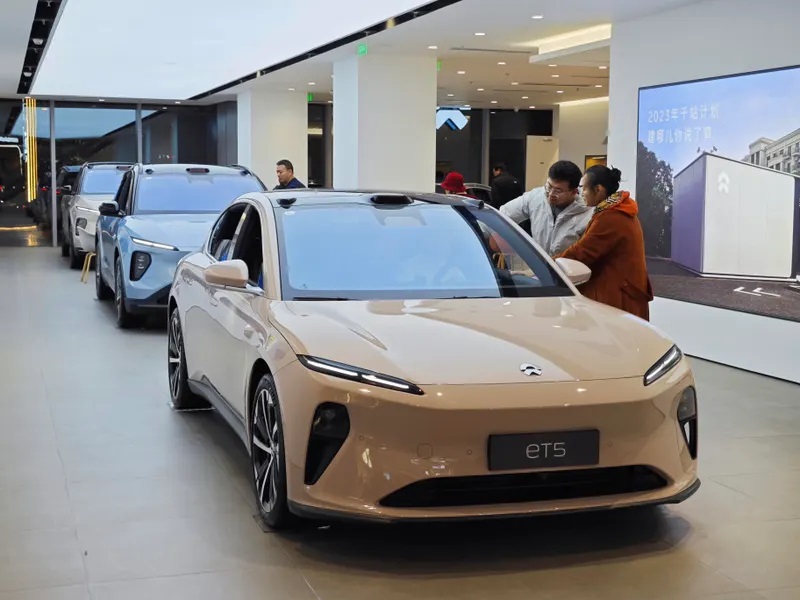
One of the most prominent trends in urban transportation is the increasing adoption of electric vehicles (EVs). With advancements in battery technology and a growing emphasis on sustainability, EVs are becoming a popular choice for environmentally conscious commuters. Cities around the world are investing in EV infrastructure, such as charging stations, to support the transition to electric mobility.

2. Shared Mobility

Another trend that is gaining momentum in urban transportation is shared mobility services. Companies offering ridesharing, carpooling, bike-sharing, and scooter-sharing services are revolutionizing the way people travel within cities. Shared mobility not only reduces traffic congestion but also contributes to a more efficient use of transportation resources.

3. Autonomous Vehicles

The development of autonomous vehicles (AVs) is set to revolutionize urban transportation in the coming years. AVs have the potential to improve road safety, reduce traffic accidents, and enhance the overall efficiency of transportation systems. As the technology matures, we can expect to see more autonomous vehicles on the streets, reshaping the way people move around cities.

4. Multi-Modal Transportation

In the future, urban transportation is likely to become more integrated and seamless through the concept of multi-modal transportation. This approach involves combining different modes of transportation, such as buses, trains, bikes, and walking, to create a comprehensive and efficient transportation network. Multi-modal transportation offers commuters more flexibility and convenience in navigating urban environments.

5. Smart Infrastructure

Smart infrastructure, including connected traffic signals, real-time traffic monitoring systems, and intelligent transportation systems, is playing a crucial role in shaping the future of urban transportation. By leveraging data and technology, cities can optimize traffic flow, reduce congestion, and improve the overall efficiency of transportation networks. Smart infrastructure is a key enabler for creating more sustainable and seamless urban mobility systems.

6. Sustainable Transportation Initiatives

As cities grapple with the challenges of pollution, congestion, and climate change, sustainable transportation initiatives are gaining traction. From promoting cycling and walking to investing in public transportation infrastructure, cities are taking proactive steps to encourage eco-friendly modes of transportation. Sustainable transportation initiatives are essential for creating cleaner, greener, and more livable urban environments.

The future of mobility in urban transportation is being shaped by a diverse range of trends, from electric vehicles and shared mobility to autonomous vehicles and smart infrastructure. By embracing these trends and investing in innovative solutions, cities can create more sustainable, efficient, and inclusive transportation systems for the future.

When it comes to ensuring the safety of your vehicle, investing in the right security accessories is crucial. With the increasing rate of car thefts and break-ins, it’s important to take proactive measures to protect your valuable asset. Here are some of the best security accessories that can help enhance the security of your vehicle:

1. Car Alarm System

A car alarm system is a fundamental security accessory that alerts you and others when someone tries to break into or tamper with your vehicle. Modern car alarm systems come equipped with features such as motion sensors, sirens, and remote control capabilities, providing an added layer of protection for your car.

2. GPS Tracking Device

Installing a GPS tracking device in your vehicle can help you track its location in real-time in case it gets stolen. These devices use satellite technology to provide accurate location data, making it easier for law enforcement to recover your vehicle quickly.

3. Steering Wheel Lock

A steering wheel lock is a physical deterrent that prevents thieves from driving your car even if they manage to break in. These locks are easy to install and act as a visible deterrent, making your vehicle less appealing to potential thieves.

4. Immobilizer System

An immobilizer system is a security feature that prevents the engine from starting unless the correct key or key fob is present. This technology adds an extra layer of protection against hot-wiring and unauthorized access to your vehicle.

5. Dash Cam

While dash cams are primarily used for recording accidents and road incidents, they can also serve as a security accessory for your vehicle. High-quality dash cams with parking mode can capture footage of any suspicious activity around your car, providing valuable evidence in case of theft or vandalism.

6. Window Etching

Window etching involves engraving a unique identification number on your vehicle’s windows, making it easier to track and identify your car if it’s stolen. This simple yet effective security measure can deter thieves and increase the chances of recovering your vehicle.

By investing in these top security accessories, you can significantly reduce the risk of theft and vandalism to your vehicle. Remember that prevention is key when it comes to protecting your car, so make sure to choose the right combination of security features to keep your vehicle safe and secure.

As environmental consciousness continues to grow, more and more people are looking for ways to reduce their carbon footprint and make eco-friendly choices in all aspects of their lives, including their vehicles. Customizing your vehicle with eco-friendly accessories is a great way to not only express your commitment to sustainability but also to improve the overall performance and aesthetics of your car. Here are some unique eco-friendly accessories that you can consider for your vehicle:

Solar-Powered Ventilation Fans

One of the eco-friendly accessories that you can add to your vehicle is a solar-powered ventilation fan. These fans are designed to keep your car cool during hot summer days without the need for electricity. By harnessing the power of the sun, these fans can help reduce the overall energy consumption of your vehicle and make it more comfortable to drive in warm weather.

Bamboo Interior Accents

Another eco-friendly option for customizing your vehicle is to add bamboo interior accents. Bamboo is a sustainable material that grows quickly and is biodegradable, making it an excellent choice for eco-conscious car owners. You can replace traditional plastic or wood trims with bamboo accents to give your car a unique and environmentally friendly look.

Recycled Rubber Floor Mats

Using recycled rubber floor mats is a simple yet effective way to make your vehicle more eco-friendly. These mats are made from recycled rubber tires, diverting waste from landfills and giving it a new life in your car. Not only are recycled rubber floor mats durable and easy to clean, but they also help reduce the environmental impact of your vehicle.

LED Lighting Upgrades

Upgrading your vehicle’s lighting to LED bulbs is another eco-friendly customization option. LED lights are energy-efficient and have a longer lifespan compared to traditional incandescent bulbs. By switching to LED lighting, you can reduce your vehicle’s energy consumption and lower your carbon emissions while enjoying brighter and more reliable lighting.

Reusable Air Filters

Installing reusable air filters in your vehicle is a sustainable choice that can benefit both your car’s performance and the environment. Unlike disposable air filters that need to be replaced regularly, reusable air filters can be cleaned and reused multiple times, reducing waste and saving you money in the long run. By investing in reusable air filters, you can improve your vehicle’s air quality and contribute to a cleaner environment.

Customizing your vehicle with eco-friendly accessories is a rewarding way to make a positive impact on the environment while enhancing your driving experience. From solar-powered ventilation fans to recycled rubber floor mats, there are plenty of unique and sustainable options to choose from. By incorporating eco-friendly accessories into your vehicle, you can showcase your commitment to sustainability and inspire others to make greener choices on the road.

When it comes to choosing a vehicle, safety is often a top priority for many consumers. SUVs have become increasingly popular due to their spacious interiors, versatility, and perceived safety features. However, how do SUVs really stack up against other types of vehicles in terms of safety ratings?

SUV Safety Ratings

SUVs have historically been known for their robust construction and size, which can provide a sense of security for drivers and passengers. Many SUVs come equipped with advanced safety features such as multiple airbags, stability control, and crash avoidance systems. These features have contributed to SUVs generally receiving good safety ratings from organizations like the Insurance Institute for Highway Safety (IIHS) and the National Highway Traffic Safety Administration (NHTSA).

However, it’s essential to note that not all SUVs are created equal when it comes to safety. Some SUV models perform better in crash tests and have lower incidences of rollovers compared to others. It’s crucial for consumers to research specific SUV models to determine their safety ratings before making a purchase.

Comparing SUVs to Other Vehicles

While SUVs have their safety advantages, they are not always the safest option when compared to other types of vehicles. Sedans, for example, often have lower centers of gravity, which can make them less prone to rollovers in certain situations. Additionally, some compact cars come equipped with advanced safety technology that rivals the safety features found in SUVs.

When comparing SUVs to other vehicles, it’s essential to consider factors such as crash test ratings, safety features, and overall vehicle design. Different types of vehicles may excel in various safety aspects, so it’s crucial for consumers to prioritize the safety features that matter most to them.

Choosing the Safest Vehicle for You

Ultimately, the safest vehicle for you will depend on your individual needs and preferences. If you prioritize space, versatility, and a higher seating position, an SUV may be the right choice for you. However, if safety ratings are your primary concern, it’s essential to research and compare different types of vehicles to find the one that best meets your safety requirements.

  • Consider the crash test ratings of different vehicles.
  • Look for advanced safety features such as automatic emergency braking and lane-keeping assist.
  • Compare the safety ratings of SUVs to sedans, trucks, and compact cars.

Ultimately, no matter what type of vehicle you choose, prioritizing safety should always be at the forefront of your decision-making process. Stay informed, do your research, and choose a vehicle that provides you with the peace of mind you need to drive confidently on the road.

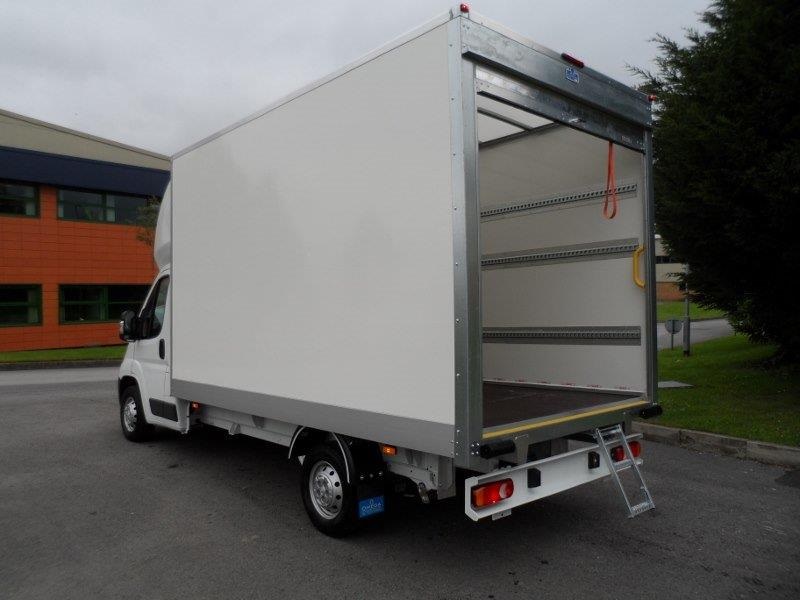
Vans are not just vehicles for transporting goods or people; they are versatile assets that serve multiple purposes in both business and leisure settings. Whether you are a business owner looking for a reliable means of transportation for your products or an adventure enthusiast seeking a comfortable and spacious ride for your trips, vans offer a wide range of benefits that cater to various needs.

Business Applications

For businesses, vans are essential for logistics and transportation purposes. They provide ample space to transport goods, equipment, and supplies efficiently. Vans are commonly used by delivery services, catering companies, event planners, and tradespeople who need to transport tools and materials to different locations. The versatile interior of vans can be customized to accommodate specific cargo requirements, making them ideal for businesses that deal with varying types of products.

  • Vans are cost-effective solutions for businesses that require regular transportation of goods.
  • They offer flexibility in terms of loading and unloading cargo, thanks to their spacious interiors.
  • Customization options such as shelving, racks, and partitions allow businesses to organize their cargo effectively.

Leisure and Recreational Use

On the leisure front, vans are popular choices for road trips, camping adventures, and outdoor activities. Their roomy interior provides ample space for passengers to travel comfortably, along with gear and supplies for various recreational pursuits. Whether you are embarking on a weekend getaway with friends or a family vacation, vans offer the convenience of having everything you need on board, making your journey more enjoyable and stress-free.

  • Vans are perfect for road trips with their comfortable seating and storage capacity for luggage and equipment.
  • They are well-suited for camping trips, providing a cozy space for sleeping and storing camping gear.
  • Outdoor enthusiasts can easily transport bikes, kayaks, surfboards, and other recreational equipment in vans.

Whether you are using a van for business or leisure purposes, its versatility and functionality make it a valuable asset for various activities. With their adaptability, spacious interiors, and customization options, vans offer practical solutions for transporting goods, equipment, and people in a convenient and efficient manner. So, whether you are running a business that requires reliable transportation or seeking a comfortable ride for your leisure pursuits, consider the versatility of vans to meet your diverse needs.

As your vehicle accumulates more miles on the road, it becomes increasingly important to stay on top of maintenance to ensure its longevity and performance. High-mileage vehicles require special care to keep them running smoothly and avoid costly repairs. Here are some essential maintenance tips to help you maintain your high-mileage vehicle:

Regular Oil Changes

One of the most crucial maintenance tasks for high-mileage vehicles is regular oil changes. Oil lubricates the engine and helps it run smoothly. Over time, oil breaks down and loses its effectiveness, so it’s important to change it at the manufacturer’s recommended intervals to prevent engine wear and damage.

Check Fluid Levels

Regularly check the levels of essential fluids such as coolant, transmission fluid, brake fluid, and power steering fluid. Low fluid levels can lead to overheating, poor performance, and even damage to your vehicle’s components. Top up fluids as needed and address any leaks promptly.

Replace Filters

Filters, including air filters, oil filters, and fuel filters, play a crucial role in keeping your vehicle’s engine clean and running efficiently. Replace filters regularly to prevent contaminants from entering the engine and causing damage.

Inspect Belts and Hoses

High-mileage vehicles are more prone to belt and hose wear and tear. Inspect the condition of belts and hoses regularly and replace them if you notice any signs of cracking, fraying, or wear. Failure to replace worn belts and hoses can lead to engine overheating and other serious issues.

Check Brakes

Brakes are a critical safety component of your vehicle. Have your brakes inspected regularly and replace brake pads, rotors, and calipers as needed. Squeaking, grinding, or vibrating brakes are signs that they need attention.

Monitor Tire Wear

Proper tire maintenance is essential for high-mileage vehicles. Check tire pressure regularly, rotate tires at recommended intervals, and replace tires when they show signs of wear. Worn tires can compromise traction and handling, increasing the risk of accidents.

Address Warning Lights Promptly

Modern vehicles are equipped with warning lights that indicate potential issues with the engine, brakes, or other systems. If a warning light comes on, don’t ignore it. Take your vehicle to a mechanic for diagnosis and repairs to prevent further damage.

Regular Inspections

Lastly, schedule regular inspections with a qualified mechanic to catch any potential problems early. A professional inspection can help identify issues before they escalate, saving you time and money in the long run.

By following these essential maintenance tips for high-mileage vehicles, you can extend the life of your vehicle and enjoy reliable performance on the road. Remember that proper maintenance is key to keeping your high-mileage vehicle running smoothly for years to come.