
Every decision about personal security deserves careful attention, but few are as complex as selecting an armored car or SUV. The stakes are high and the options can be overwhelming. One misstep could mean jeopardizing safety, wasting money, or both.
Common Challenges When Selecting an Armored Car or SUV
Misunderstanding Protection Levels and Standards
Not all armored vehicles offer the same level of defense. Some buyers confuse civilian and military protection ratings, overlooking the specific threats they might face. For example, a vehicle rated to withstand handgun rounds may not stop rifle fire or explosives. Without a clear understanding of ballistic standards like NIJ or CEN, you could end up with false confidence and real vulnerability.
Overlooking Vehicle Performance and Handling
Heavier armor adds weight, which inevitably changes how a vehicle drives, brakes, and accelerates. Many forget that a luxury SUV loaded with armor can become sluggish or difficult to maneuver. A vehicle poorly matched to its upgraded weight could be a safety hazard, not a safeguard.
Ignoring Maintenance and After-Sales Support
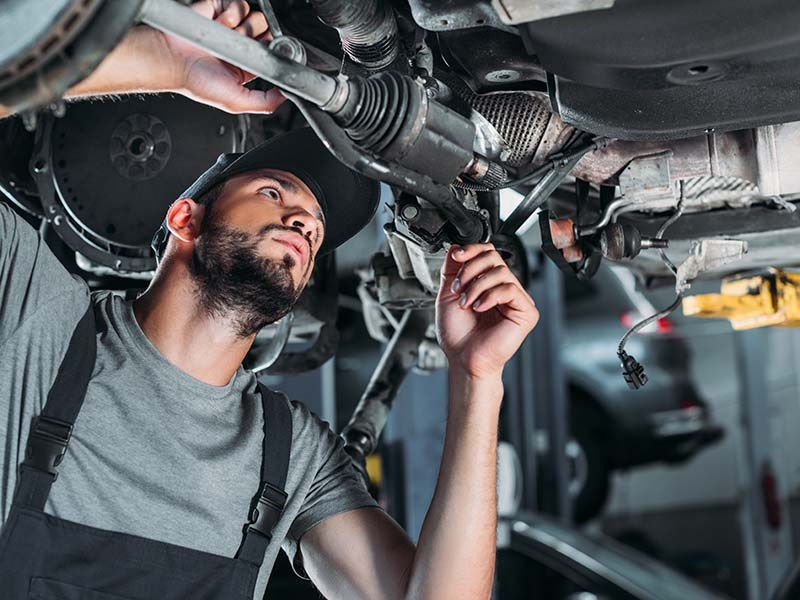
Armored vehicles are specialized machines. Repairs and maintenance require both expertise and hard-to-find parts. Some buyers neglect to ask about long-term support, only to be left hunting for service when problems arise. Quality firms like TroyArmoring.com emphasize post-sale service for exactly this reason.
Underestimating Total Cost of Ownership
The sticker price of an armored vehicle is just the start. Insurance, maintenance, spare parts, and higher fuel consumption can push the real costs much higher. Failing to budget for these extras leads to unwelcome surprises and sometimes even abandoned vehicles.
How to Identify Reliable Armoring Providers
Verifying Certifications and Industry Compliance
Reputable companies are proud of their certifications. Look for demonstrable compliance with recognized ballistic and manufacturing standards. If documentation is missing or unclear, that is a red flag.
Evaluating Armoring Materials and Technologies
Steel, composite, and ceramic armor all serve different purposes. Advanced technologies like transparent armor and run-flat tires can make a difference in real-world scenarios. Ask potential providers about the specific materials and processes they use; the details matter for your safety.
Assessing Customization and Upgrade Options
Security needs are rarely one-size-fits-all. Trustworthy firms offer tailored solutions, from discrete armoring for civilian use to robust packages for high-risk situations. The right provider will adapt the build to your threat profile, not the other way around.
Checking Client Testimonials and Case Studies
Feedback from real clients often reveals service quality far better than promotional brochures. Look for testimonials, case studies, or references. A company with nothing to hide will be happy to share.
Key Features to Prioritize in Armored Vehicles
Ballistic protection is just the beginning. Structural reinforcements and upgraded suspension systems preserve handling and integrity under stress. Integrated security features, such as emergency escape hatches or smoke screens, add extra layers of protection. At the same time, comfort and usability must not be sacrificed, after all, you need a vehicle you want to drive, not just one you have to.
Common Pitfalls in the Armoring Process
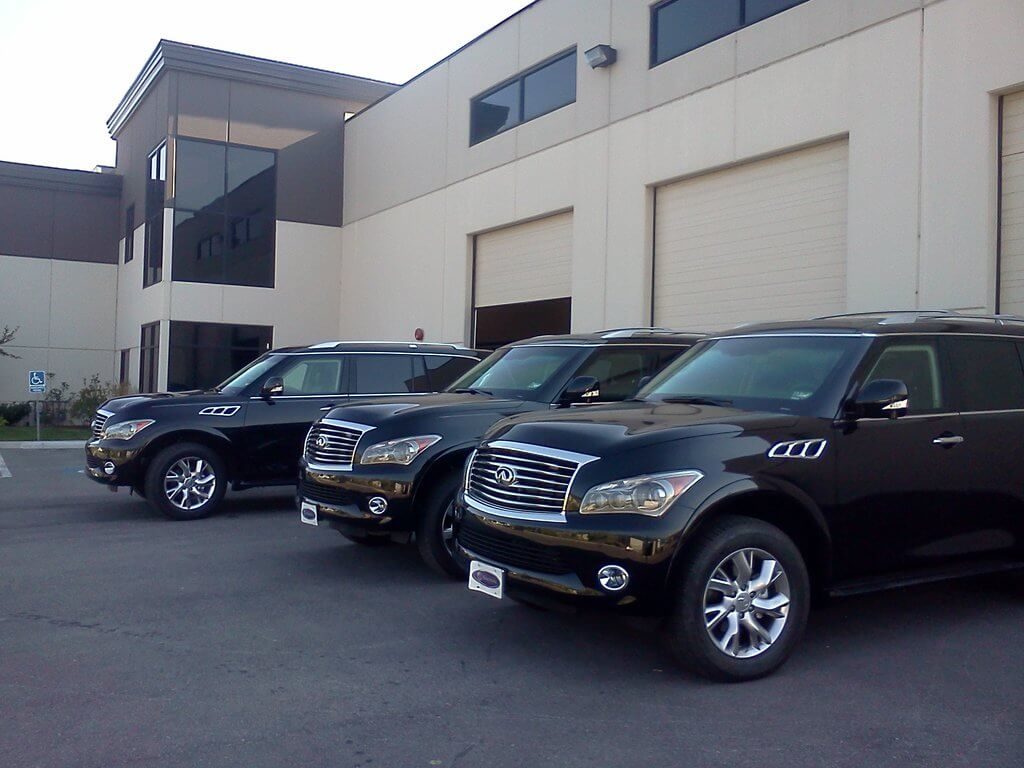
Choosing the wrong base vehicle is a classic error. Not every car or SUV is suitable for armoring, and some models will suffer significant performance drops post-conversion. Rushing through inspection or quality control can also be disastrous, with small oversights potentially compromising security. Legal and regulatory issues differ by region, so compliance is crucial. Lastly, always consider the availability of spare parts, custom components can be difficult or impossible to replace without a reliable supplier.
Strategies to Make an Informed Purchase Decision
A strong purchase starts with an honest risk assessment. What threats are you actually facing? Once you know, request transparent quotes with detailed breakdowns, not just lump-sum numbers. Insist on a test drive, preferably under realistic conditions. Consult with security experts and industry specialists who can spot issues you might miss.
Maintaining and Servicing Your Armored Vehicle
Routine care is the key to long service life. Schedule regular checks, use only genuine spare parts, and pay close attention to the warranty terms and post-sale support. Plan for future upgrades as technology advances or your needs change.
Taking Action: Steps to Secure the Right Armored Car or SUV
Define your exact protection requirements and set a realistic budget. Shortlist only companies known for reliability and proven results. Meet with your chosen provider for a detailed consultation, customizing the vehicle to your unique needs. Before driving away, ensure every document is in order, from compliance certificates to service agreements.
Choosing an armored car or SUV is a major investment in safety. Avoiding these common mistakes, by doing your homework and working with trusted experts, can mean the difference between real security and a costly illusion.