Tag

CO

Browsing

Motorcycle accidents produce fatality rates approximately 29 times higher per vehicle mile traveled than passenger car accidents, (NHTSA Traffic Safety Facts). California’s universal helmet law, requiring all motorcyclists to wear helmets regardless of age or experience, provides a useful data framework for analyzing how helmet compliance correlates with injury severity and fatality outcomes. The data also informs the legal treatment of helmet use in personal injury litigation.

Fatality Rate Differentials

Helmeted motorcyclists are 37% less likely to die (NHTSA) (Motorcycle Safety Foundation) in a crash and 69% less likely to sustain a traumatic brain injury compared to unhelmeted riders. In California, where helmet use compliance exceeds 95% due to the universal mandate, motorcycle fatality rates per registered motorcycle are approximately 15% lower than the national average.

States without universal helmet laws provide a comparative dataset. In states requiring helmets only for riders under 18, helmet use rates among adult riders average 57%. These states experience per-rider fatality rates approximately 25% higher than universal-law states after controlling for motorcycle registration volume and riding season length (Avian Law Group).

Injury Severity and Treatment Costs

Beyond fatality reduction, helmet use significantly affects injury severity and associated medical costs. Unhelmeted motorcycle crash victims incurred substantially higher costs (Journal of Trauma and Acute Care Surgery) (American College of Surgeons). The study found that unhelmeted motorcycle crash victims incurred average acute care costs of $32,700 compared to $18,400 for helmeted victims. Intensive care unit admission rates were 42% higher among unhelmeted riders, and average hospital length of stay was 3.2 days longer.

These cost differentials have direct relevance in personal injury litigation. Medical damages constitute the foundation of most motorcycle accident claims, and the total medical cost figure significantly influences both economic damage calculations and general damage multipliers used in settlement negotiations.

Legal Treatment of Helmet Non-Compliance

In California, failure to wear a helmet in violation of the mandatory helmet law can be raised as evidence of comparative negligence. If a motorcyclist’s head injuries would have been prevented or reduced by helmet use, the defense may argue that the rider’s non-compliance contributed to the severity of their injuries and that damages should be proportionally reduced.

However, the comparative negligence argument applies only to head injuries. A motorcyclist injured in a collision caused by another driver’s negligence does not forfeit their claim for non-head injuries due to helmet non-compliance. The legal analysis separates the injuries that helmet use would have mitigated from those unrelated to head protection.

Data-Driven Safety and Legal Preparation

The statistical case for helmet use is unambiguous in both safety and legal terms. Helmets reduce fatality risk, lower injury severity, reduce medical costs, and eliminate a comparative negligence defense that can substantially reduce damage recovery. For motorcyclists involved in crashes, the presence or absence of a helmet influences not only medical outcomes but the entire trajectory of any resulting personal injury claim.

When it comes to special events, making a statement is part of the fun. Whether it’s a wedding, prom, corporate event, or milestone celebration, arriving in style can leave a lasting impression. Luxury vehicle rentals offer the perfect solution for anyone looking to add elegance, comfort, and excitement to their special day.

Make a Grand Entrance

One of the biggest advantages of a luxury vehicle rental is the wow factor. Arriving in a sleek sports car, elegant sedan, or luxury SUV instantly grabs attention. It creates a sense of excitement and makes your event feel even more memorable. Guests will notice, and photos of your grand entrance will become keepsakes for years to come.

Comfort and Style

Luxury vehicles are designed with comfort in mind. Plush seats, advanced climate control, and smooth handling make traveling to and from your event a relaxing experience. You don’t have to worry about cramped rides or long trips in standard vehicles. With a luxury rental, you get both style and comfort, which is perfect for long drives or group outings.

Professional Service

Many luxury rental companies, like PG Luxury Services, provide professional chauffeurs for your event. This means you can focus on enjoying your special day instead of navigating traffic or worrying about parking. Professional drivers ensure timely arrivals and offer a level of service that adds to the overall experience.

Flexibility for Any Event

Luxury rentals are versatile and can fit any type of event. From weddings and proms to corporate gatherings and anniversary celebrations, there’s a vehicle to match your occasion. Whether you need a sporty ride for a thrilling entrance or a classic sedan for elegance, luxury rentals provide options that suit your style and needs.

Creating Lasting Memories

Special events are all about making memories. A luxury vehicle enhances the experience and makes it unforgettable. At PG Luxury Services, we help clients choose the perfect car for their occasion. We provide high-quality vehicles, professional service, and support to ensure everything runs smoothly. By working with us, we help clients enjoy a worry-free, stylish experience that makes their special day truly remarkable.

This post was written by a professional at PG Luxury Services. Turn heads at PG Luxury Services, luxury vehicle rentals Kissimmee FL, and elevate your driving experience with our premium luxury car rentals. From the sleek lines of a Ferrari to the raw power of a Lamborghini or the refined elegance of a Bentley, we offer top-tier vehicles for any occasion. Whether you’re celebrating something special, taking a weekend trip, or simply want to ride in style, we’ve got you covered. Serving St. Pete, Clearwater, Orlando, and surrounding areas, we bring the ultimate in luxury and performance right to you. Contact us today for the best exotic and luxury car rentals near you!

The heart of every vehicle relies on constant lubrication to stay cool. Your engine needs a steady flow of thick oil to prevent metal friction. A small sensor monitors this vital pressure throughout your daily commute. This tiny component sends data directly to your dashboard gauge or warning light. Now, you must understand how this part safeguards the internal metal components. Moore’s Garage provides expert guidance on maintaining these delicate electronic monitoring systems for drivers.

The Basic Function of an Oil Pressure Sensor

The sensor is hidden near the engine block or oil filter. It senses oil pressure in the major galleries. Sensors sometimes detect internal fluid tension via diaphragms. The device turns physical force into a clear electrical signal. The auto computer now analyzes this data to assure pump operation. Moving parts float on a thin liquid sheet under high pressure. A continual feedback loop prevents catastrophic metal contact at high speeds.

Common Pressure Sensor Failure Signs

Oil lights flickering typically indicate sensor failure, not low oil. Dashboard needles may drastically fluctuate without explanation. Sometimes the engine works OK but the caution light stays on. This false alarm stresses regular car owners. Dashboard warning lights should never be ignored. Faulty sensors may spill oil through their electrical connectors. This physical leak can harm crucial underhood wires. Moore’s Garage experts suggest checking the actual oil levels before panicking.

Sensor Failure Effect on Engine Monitoring

When the primary sensor fails, monitoring is unreliable. The computer cannot identify defective sensors from dead pumps. Now, the car may reduce power to save itself. This safety mechanism prevents engine seizing in true emergencies. An incorrect reading resulted in unnecessary towing costs. Vital fluid pressure reductions are harder to detect. You can only track long-term health with accurate data. Auto Repair in Orangevale, CA services often involve diagnosing these misleading electronic signals.

The Risk of Ignoring Sensor Failures

Ignoring a malfunctioning sensor is risky for automobile owners. Keeping the sensor sticky could cause a pressure drop. Within minutes, the metal bearings would melt. This causes engine failure and huge repair expenditures. The sensor may internally fail and short circuit. Every engine component must send clean signals to the electrical system. You must check sensor health to safeguard your large investment. Moore’s Garage recommends immediate testing when the oil light behaves strangely.

Conclusion

Your engine deserves the best protection from heat and metal friction. A working sensor acts like a silent guardian for your daily drive. You can avoid major headaches by replacing cheap sensors early on. Now, the dashboard provides the peace of mind you truly need. Modern cars rely heavily on these small but mighty electronic parts. Consistent maintenance keeps the oil flowing and the sensors reading true. You should always trust the data coming from your vehicle instruments.

The road demands your full attention. You must trust the vehicle every single day. Safe driving starts with a reliable braking system. This system stops the heavy machine during emergencies. Regular maintenance ensures the pads grab the rotors. Proper care prevents dangerous accidents on busy streets. Now you should consider the health of the car. Safe stopping distances depend on high quality parts. Auto Repair in Austin, TX services help maintain these vital components. Don Juan’s Garage provides expert inspections for every local driver.

The Critical Role of Stopping Power

Brake systems transform kinetic energy into heat energy. This process allows the car to slow down. Friction remains the most important factor for safety. Worn parts reduce the grip on the wheels. You might notice a longer path to stop. This delay creates risks during sudden traffic changes. Sometimes the pedal feels soft under your foot. This sign indicates air inside the fluid lines. Professional mechanics at Don Juan’s Garage check for these specific leaks. The team ensures the hydraulic pressure stays strong.

Preventing Total Mechanical System Failure

Small issues often grow into very expensive repairs. Squealing sounds suggest the metal pads are thin. Neglecting these sounds will damage the heavy rotors. Grinding noises mean the metal parts touch directly. This heat causes the metal to warp quickly. You will feel a vibration through the steering. Regular service prevents these components from breaking apart. Now the car stays quiet and very responsive. Don Juan’s Garage offers the best solutions for grinding brake parts. Reliable hardware keeps the entire family safe today.

Enhancing Control During Foul Weather Conditions

Rain makes the asphalt very slick and unpredictable. Wet roads require perfect timing for every stop. Old brakes might lock up on slippery turns. This locking causes the car to slide uncontrollably. New pads provide the necessary bite for traction. Proper fluid levels keep the anti-lock system working. You can steer away from obstacles much easier. The car reacts to your input with precision. But thin shoes will fail during a storm. Good maintenance gives you confidence in the bad weather.

Conclusion

Your safety depends on the condition of the brakes. Regular checks prevent many dangerous situations on roads. High quality parts ensure a very quick stop. You must listen to the sounds of the car. Maintenance saves lives and reduces the repair bills. Now you can drive with total certainty. Trust the experts to handle the difficult mechanical work. The road is safer when the car works well. Every mile is better with a strong braking system.

The heart of your vehicle is the engine. It needs constant lubrication to stay cool and functional. The oil pressure sensor acts as a vital guardian. This small component monitors the force of flowing oil. Now you can understand why this part matters so much. A failing sensor leads to massive internal damage fast. You must pay attention to this tiny electronic device.

The Role of Constant Oil Circulation

The engine contains many fast-moving metal parts. These heavy components create extreme friction during every drive. Proper oil flow keeps these surfaces very slippery. High friction generates intense heat within the metal block. But the oil absorbs this heat quite effectively. The oil pressure sensor tracks this critical liquid movement. Sometimes the pump fails to push the fluid correctly. Then the sensor alerts the driver about the drop. Auto Repair in Garden Grove, CA experts suggest checking this system often. Autolink Repair Services provides expert diagnostics for all pressure related issues. You rely on this sensor for early warning signs.

Preventing Catastrophic Metal on Metal Contact

Low oil pressure causes immediate metal on metal grinding. This friction destroys bearings and pistons within seconds. The sensor detects low levels before parts seize up. Now the dashboard light serves as your primary defense. You should pull over if the light flashes. Ignoring this warning leads to a total engine rebuild. Autolink Repair Services understands the high cost of engine replacement. Proper monitoring prevents these expensive mechanical failures during trips. The sensor keeps the lubrication system in check always. You save money by reacting to the sensor alerts.

Maintaining Optimal Performance and Fuel Economy

The oil pressure also affects the variable valve timing. Many modern engines use oil to adjust valve positions. The sensor helps maintain peak efficiency every day. The engine computer needs accurate data from this sensor. Then the computer adjusts the fuel and air mixture. Sometimes a dirty sensor sends the wrong signal back. Autolink Repair Services can clean or replace the faulty sensor quickly. You will feel the difference in smooth power delivery.

Identifying Small Leaks and Pump Failures

A steady pressure reading indicates a healthy oil pump. The sensor shows when the pump starts to fail. Now you can fix small problems before they grow. Internal leaks also show up through the pressure gauge. The sensor picks up these subtle changes in flow. Sometimes the oil becomes too thin from high heat. But the sensor identifies the drop in fluid thickness. You should change the oil to restore the pressure. This simple maintenance keeps the entire system running well.

Conclusion

The oil pressure sensor is truly a silent engine hero. It prevents total engine failure through constant electronic vigilance. You must trust the warnings from your car dashboard. Maintaining this sensor ensures a very long vehicle life.

The oil pressure sensor plays a vital role in your vehicle engine. It monitors the flow of oil inside the motor. This tiny component protects the metal parts from heat damage. Now you must understand how this sensor works. A failing sensor sends wrong data to your dashboard. The engine might be safe but the light glows. Sometimes the light stays off during real danger. You need to identify these signals early. Early detection prevents very expensive engine repairs later. This guide explains the common signs of sensor failure. You can trust Asian Autoworks for your maintenance needs. Expert mechanics help you avoid major engine breakdowns.

Warning Light Shines Often

Flickering lights are the most prevalent indicator. The dashboard oil pressure lamp remains. This light should only illuminate during startup. But it may flicker while driving. Panic may strike suddenly. The sensor sends the computer irregular data. This occurs when internal electronics fail. Today’s oil levels may be fine. A silent engine may run smoothly. But the flashing red light signals disaster. Check the dipstick for levels. If oil is full, sensor failed. These warning lights are accurately diagnosed by Asian Autoworks.

Erratic Gauge Readings During Operation

Some vehicles use a needle gauge for oil pressure. The needle should stay in a middle position. But a bad sensor makes the needle jump. It moves rapidly between high and low markings. Sometimes the needle drops to zero while idling. This movement does not reflect the real pressure. The mechanical parts of the sensor often get clogged. Old oil creates thick sludge inside the small port. The sensor cannot read the true fluid force. Now the dashboard displays very confusing and scary data. You might notice the needle pinned at high. This indicates a total electrical short in the circuit. Proper Auto Repair in Simi Valley, Ca involves testing the sensor voltage.

Persistent Ticking Noises from The Engine

Real low oil pressure causes loud metallic noises. The engine parts rub together without enough lubrication. You will hear a sharp clicking or ticking sound. But a failing sensor creates a different situation. The sensor might fail to trigger the warning light. You drive while the oil pressure is actually low. The lack of a warning is very dangerous. The metal components start to wear down very fast. Asian Autoworks technicians inspect the oil pump and the sensor.

Conclusion

Monitoring your oil pressure sensor is essential for longevity. A small part prevents a very large repair bill. You should never ignore a glowing dashboard light. Check your oil levels regularly to stay safe. Faulty sensors provide misleading data to the vehicle computer. This confusion leads to poor performance and high stress. Professional mechanics find the root cause of the problem. They ensure your engine remains lubricated and very cool.

The cooling system maintains the engine temperature during every single drive. Most people ignore the radiator until smoke pours from the hood. This specialized service prevents major breakdowns and expensive metal warping issues. Now you can understand why Encino Automotive provides this essential maintenance for every vehicle. A flush differs significantly from a simple fluid top-off or drain. The process removes old fluids along with harmful internal deposits.

Initial System Inspection and Pressure Testing

The technician begins by checking the entire system for visible leaks. This step ensures the hoses and radiator can handle the pressure. Sometimes small cracks hide under the grime of the engine bay. The mechanic attaches a specialized pressure gauge to the radiator neck. Now the gauge shows if the system holds a steady seal. You will see the technician check the overflow tank levels carefully. But a leak prevents the rest of the procedure from moving forward. The experts at Encino Automotive search for brittle rubber or rusted clamps. Finding these small issues early saves the engine from sudden overheating.

Draining the Old Corrosive Coolant

The technician opens the drain plug at the bottom of the radiator. Old fluid flows out into a large collection container for recycling. This liquid often looks brown or dark green from long use. The color indicates that the internal rust inhibitors have finally failed. Now the old chemicals can no longer protect the delicate aluminum parts. The coolant carries away heat but also gathers tiny metal shavings. You want all of those abrasive particles out of your engine. The team at Auto Repair in Killeen, TX handles these hazardous fluids with care. This initial drain removes most of the liquid from the main radiator.

Chemical Cleaning and System Scouring

The mechanic adds a specialized cleaning solution into the empty radiator. This chemical breaks down the scale and lime inside the passages. Water alone cannot remove the stubborn buildup on the metal walls. Now the engine runs for several minutes to circulate the cleaner. The heat helps the chemicals dissolve the thick sludge and debris. Sometimes the technician uses a machine to pulse the fluid through. This action mimics the natural flow but with much higher cleaning power. You notice the fluid becoming cloudy as the internal junk dissolves. The cleaning phase ensures every passage remains clear for maximum heat transfer.

Flushing with Distilled Water

The technician flushes the system with fresh water to remove cleaner. This step clears out the loosened debris and the chemical agents. The water must flow through the heater core and the block. Now the technician repeats this cycle until the water runs clear. Residual cleaner could damage the new coolant if left inside. The goal involves reaching a state of total internal engine cleanliness. You see the technician monitor the discharge for any remaining particles. But some systems require multiple flushes to achieve a perfect result. This thorough rinsing sets the stage for the final fluid fill.

The way we care for car tires has shifted lately. Now, drivers prioritize safety more than ever before. Ten years ago, simple rules guided most tire maintenance. You likely visited a shop twice a year for help. But technology has changed the way wheels hit the road. Modern vehicles now demand smarter care strategies for long life. Encino Automotive provides expert guidance to help you navigate these changes. Staying informed ensures your car remains reliable on every trip. Proper care now prevents many expensive repairs in the future.

Smart Sensors and Data

Dashboard lights now tell you when to rotate tires. Sometimes, smart sensors track the tread wear in real-time. The system monitors pressure and heat during your daily commute. But older cars lacked these advanced digital monitoring tools.

Now, computers calculate the best time for a swap. You can trust the data to keep you safe. Encino Automotive uses these digital tools to provide precise maintenance. The sensors help identify uneven wear before it gets bad. This shift makes tire care much easier for every driver.

Electric Vehicle Impacts

Electric cars have changed the tire rotation game completely. These heavy vehicles put much more stress on the rubber. So, the tires often wear out much faster than expected. The instant torque from the motor creates a lot of friction. Now, experts suggest more frequent rotations for these specific cars. You might need a checkup every few thousand miles. Encino Automotive understands the unique needs of these high-tech machines. Heavy batteries mean the rear tires may take more abuse. Professional service helps balance this weight across all four wheels.

All Wheel Drive Needs

More people drive all-wheel drive vehicles in this decade. These systems require perfectly matched tires to function well. A small difference in tread can damage the drivetrain. But many drivers do not realize this hidden mechanical risk. Now, rotating all four tires is a strict requirement. The tires must stay within a specific wear range. Sometimes, you may even need to replace all four at once. This ensures the complex gears do not wear out early. Finding a reliable Auto Repair in Killeen, TX is vital for these cars.

New Maintenance Standards

The old 5000 mile rule is now a baseline. Today, specialized rubber compounds require a much more custom approach. Some tires last longer while others prioritize maximum road grip. You should check your manual for the latest factory advice.

But a professional inspection is always the best choice. Experts can spot alignment issues that a computer might miss. Regular visits keep your car handling smoothly on the highway. Consistent care will save you a lot of money today.

Now you see a bright puddle under the front bumper. The neon green fluid signals a clear cooling system failure. Most drivers think finding the source is a simple task. But internal leaks often hide deep inside the engine block. You might assume a loose hose causes the drip. The reality involves many sealed components and high pressure.

Sometimes the liquid evaporates before hitting the garage floor. This makes the tracking process frustrating for many vehicle owners. Finding the exact origin requires specific tools and mechanical knowledge. You need a professional eye to catch these subtle signs. The experts at Midwest Performance Cars identify these issues quickly.

Internal Failures and Invisible Paths

Sometimes the fluid stays inside the motor housing entirely. A blown head gasket allows coolant into the cylinders. The liquid burns off through the exhaust pipe system. You might see thick white smoke during the morning. But the engine oil could also turn milky white. This indicates a dangerous mix of water and lubricant.

The chemical reaction ruins the vital bearings very fast. Now the repair becomes much more expensive for you. No external drip will ever warn the driver here. This hidden path bypasses the ground and the belly. Professional diagnostics provide the only way to confirm this. You can trust Midwest Performance Cars for this task.

The Role of Specialized Diagnostic Tools

Visual inspections often fail to find the primary crack. Mechanics use ultraviolet dyes to trace the fluid path. The glowing dye reveals the path under black light. This technology shows leaks behind the heavy timing cover. You cannot see these areas with just a flashlight. Now the pressure tester simulates the heat of operation. This tool finds cracks that open only when hot. Sometimes the heater core leaks inside the dashboard area. You might find damp carpet under the floor mats. The sweet scent fills the cabin during the winter. This repair requires removing the entire dashboard assembly today. Expert hands prevent damage to the delicate interior trim.

Seeking Professional Resolution for Longevity

Small leaks eventually lead to a complete engine overheat. The metal components warp under the intense thermal stress. You risk total engine failure by ignoring the signs. Professional shops ensure the entire system remains fully sealed. They check the radiator cap and the overflow tank. These small parts often cause big pressure loss issues. Now you can drive with total peace of mind. Proper maintenance saves a lot of money over time. The cooling system is the heart of engine health. You must act fast when the temp gauge rises. Expert help provides the best solution for your car.

Car transmission repair is a subject that rewards careful attention, and the drivers who give it that attention consistently fare better than those who do not. This is not a matter of mechanical expertise. It is a matter of pattern recognition, of learning to identify the signals that a complex system sends when something inside it has begun to change. The transmission is one of the most sophisticated solutions the automotive world has produced to a demanding problem, and like all sophisticated systems, it communicates its vulnerabilities in ways that are consistent, readable, and, if understood early enough, highly actionable.

Why Transmission Problems Follow Predictable Patterns

One of the most instructive things about transmission problems is how reliably they repeat across different vehicle types, driving environments, and maintenance histories. The specific component that fails may vary, but the underlying causes, degraded fluid, accumulated wear, thermal stress, and neglected servicing, appear with a consistency that speaks to something fundamental about how these systems break down.

In Singapore, that consistency is amplified by persistent heat that accelerates fluid degradation and stop-start urban traffic that places automatic transmissions under repetitive stress. At Ellipse Auto, understanding these local conditions is central to how transmission assessments are conducted, because the environment in which a vehicle operates is inseparable from the problems it develops.

The Most Common Transmission Problems

Fluid Degradation and Contamination

If there is a single cause underlying more transmission failures than any other, it is fluid left in service beyond its effective life. Transmission fluid lubricates moving components, manages heat, and in automatic transmissions carries the hydraulic pressure that governs gear selection. As it ages, it loses viscosity and accumulates contaminants, including metal particles shed by internal components during normal operation.

The consequences follow a logical sequence. Lubrication becomes less effective, heat builds, and components that might otherwise last for years begin wearing at an accelerated rate. By the time symptoms appear, the fluid has typically been degraded for some time.

Solenoid Failures

Solenoids are the electro-mechanical valves that control fluid flow within automatic transmissions, governing when and how gear changes occur. When they fail, the effects are recognisable: erratic shifting, delayed engagement, and gears that slip or refuse to engage. Solenoid failures are among the more common findings in Singapore’s car transmission repair workshops, partly because of the heat and partly because urban driving cycles the transmission through its operating range so frequently. When identified in isolation, before downstream damage occurs, they are among the more straightforward and cost-effective repairs available.

Torque Converter Problems

The torque converter transfers power from the engine to the transmission and locks up at higher speeds to improve efficiency. When it begins to fail, the symptoms are characteristic: a shuddering sensation during acceleration, overheating, and in more advanced cases, a complete loss of drive. Torque converter problems are frequently misattributed to engine or tyre issues, making a structured diagnostic assessment essential for accurate identification.

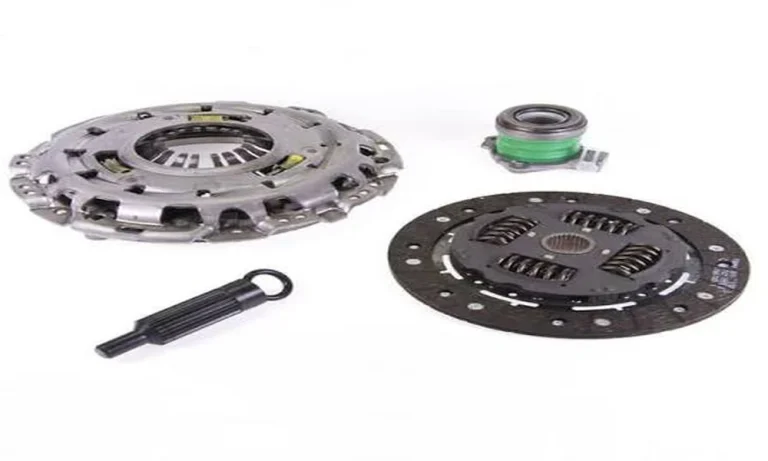
Worn Clutch Packs

In automatic transmissions, clutch packs are the friction elements that engage individual gear sets. They wear progressively over time, and under the stress of degraded fluid or overheating, that rate accelerates. The presenting symptom is typically gear slip, where engine revs rise but vehicle speed does not increase correspondingly.

Synchroniser Ring Wear in Manual Transmissions

For drivers of manual vehicles, worn synchroniser rings are among the most common sources of transmission trouble. These components facilitate smooth gear engagement by matching the speeds of rotating elements before contact occurs. When they wear, gear changes become difficult and accompanied by grinding. Left unaddressed, the damage extends to the gear teeth themselves.

Seal and Gasket Failures

Seals and gaskets maintain fluid containment throughout the transmission system. Their failure leads to fluid loss, and fluid loss leads to every consequence associated with insufficient lubrication and hydraulic pressure. The signs are often visible: a reddish puddle beneath the vehicle after parking, or a burnt smell during driving. At Ellipse Auto, seal and gasket repairs are treated as urgent interventions precisely because the secondary damage they prevent is so much more costly than the repair itself.

What Good Diagnosis Actually Involves

Understanding the common problems is only useful insofar as it supports accurate diagnosis. A competent car transmission assessment begins with a structured road test that reveals how the transmission behaves under real operating conditions, followed by electronic fault code retrieval, fluid inspection, and where necessary, pressure testing. The goal is not simply to identify what has failed but to understand why, because a repair that addresses only the failed component without identifying its cause sets the stage for a repeat failure.

Conclusion

The patterns of transmission failure are well established, the warning signs are consistent, and the interventions, when applied at the right moment, are effective. What varies is not the nature of the problems but the point at which drivers choose to engage with them. In Singapore’s demanding driving environment, where heat and traffic density compress the timeline between early warning and serious damage, that timing matters more than almost anywhere else. For drivers who want to act on those patterns before they escalate, experienced and thorough Car transmission repair is the clearest path to a vehicle that remains reliable and genuinely road-worthy.