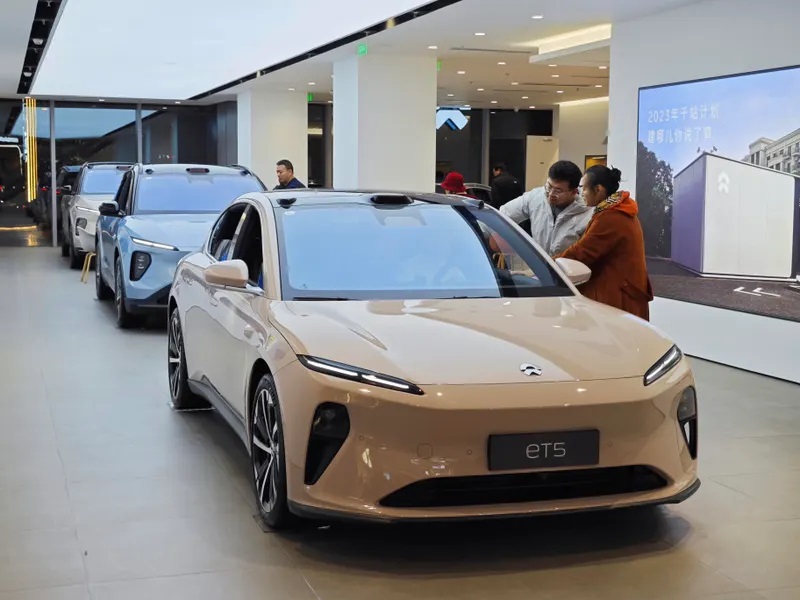
In recent years, there has been a growing interest in hydrogen fuel cell vehicles as a cleaner and more sustainable alternative to traditional gasoline-powered cars. These vehicles are powered by electricity generated from the chemical reaction between hydrogen and oxygen, producing only water vapor as a byproduct. The rise of hydrogen fuel cell vehicles represents a significant step towards reducing greenhouse gas emissions and combating climate change.
Advantages of Hydrogen Fuel Cell Vehicles:
- Zero Emissions: One of the key advantages of hydrogen fuel cell vehicles is that they produce zero tailpipe emissions, making them environmentally friendly and contributing to cleaner air quality.
- Fast Refueling: Unlike electric vehicles that require hours to recharge, hydrogen fuel cell vehicles can be refueled in a matter of minutes, providing a similar refueling experience to traditional gasoline cars.
- Longer Driving Range: Hydrogen fuel cell vehicles typically have a longer driving range compared to battery-electric vehicles, making them a more practical option for long-distance travel.
- Energy Efficiency: Fuel cells are highly efficient in converting hydrogen into electricity, offering a more energy-efficient alternative to internal combustion engines.

Challenges and Future Prospects:
Despite the promising benefits of hydrogen fuel cell vehicles, there are still several challenges that need to be addressed for their widespread adoption. The infrastructure for hydrogen refueling stations is limited, making it difficult for consumers to access fueling stations in many regions. Additionally, the cost of producing and storing hydrogen is currently higher than traditional fuels, posing a barrier to mass production and affordability.
However, ongoing research and development efforts are aimed at overcoming these challenges and advancing the technology of hydrogen fuel cell vehicles. Governments and automotive manufacturers are investing in expanding the hydrogen refueling infrastructure and reducing the cost of hydrogen production through advancements in electrolysis and renewable energy sources.
Looking ahead, the future prospects of hydrogen fuel cell vehicles are promising. As technology continues to improve and costs decrease, hydrogen fuel cell vehicles have the potential to play a significant role in the transition to a low-carbon transportation system. With their zero-emission operation and energy efficiency, hydrogen fuel cell vehicles offer a sustainable solution to reducing greenhouse gas emissions and promoting a cleaner environment.
In conclusion, the rise of hydrogen fuel cell vehicles represents a step towards a greener and more sustainable future in the automotive industry. With their environmental benefits and potential for long-term viability, hydrogen fuel cell vehicles are poised to transform the way we drive and contribute to a cleaner planet for future generations.