Tag

UT

Browsing

Now you see a bright puddle under the front bumper. The neon green fluid signals a clear cooling system failure. Most drivers think finding the source is a simple task. But internal leaks often hide deep inside the engine block. You might assume a loose hose causes the drip. The reality involves many sealed components and high pressure.

Sometimes the liquid evaporates before hitting the garage floor. This makes the tracking process frustrating for many vehicle owners. Finding the exact origin requires specific tools and mechanical knowledge. You need a professional eye to catch these subtle signs. The experts at Midwest Performance Cars identify these issues quickly.

Internal Failures and Invisible Paths

Sometimes the fluid stays inside the motor housing entirely. A blown head gasket allows coolant into the cylinders. The liquid burns off through the exhaust pipe system. You might see thick white smoke during the morning. But the engine oil could also turn milky white. This indicates a dangerous mix of water and lubricant.

The chemical reaction ruins the vital bearings very fast. Now the repair becomes much more expensive for you. No external drip will ever warn the driver here. This hidden path bypasses the ground and the belly. Professional diagnostics provide the only way to confirm this. You can trust Midwest Performance Cars for this task.

The Role of Specialized Diagnostic Tools

Visual inspections often fail to find the primary crack. Mechanics use ultraviolet dyes to trace the fluid path. The glowing dye reveals the path under black light. This technology shows leaks behind the heavy timing cover. You cannot see these areas with just a flashlight. Now the pressure tester simulates the heat of operation. This tool finds cracks that open only when hot. Sometimes the heater core leaks inside the dashboard area. You might find damp carpet under the floor mats. The sweet scent fills the cabin during the winter. This repair requires removing the entire dashboard assembly today. Expert hands prevent damage to the delicate interior trim.

Seeking Professional Resolution for Longevity

Small leaks eventually lead to a complete engine overheat. The metal components warp under the intense thermal stress. You risk total engine failure by ignoring the signs. Professional shops ensure the entire system remains fully sealed. They check the radiator cap and the overflow tank. These small parts often cause big pressure loss issues. Now you can drive with total peace of mind. Proper maintenance saves a lot of money over time. The cooling system is the heart of engine health. You must act fast when the temp gauge rises. Expert help provides the best solution for your car.

Car transmission repair is a subject that rewards careful attention, and the drivers who give it that attention consistently fare better than those who do not. This is not a matter of mechanical expertise. It is a matter of pattern recognition, of learning to identify the signals that a complex system sends when something inside it has begun to change. The transmission is one of the most sophisticated solutions the automotive world has produced to a demanding problem, and like all sophisticated systems, it communicates its vulnerabilities in ways that are consistent, readable, and, if understood early enough, highly actionable.

Why Transmission Problems Follow Predictable Patterns

One of the most instructive things about transmission problems is how reliably they repeat across different vehicle types, driving environments, and maintenance histories. The specific component that fails may vary, but the underlying causes, degraded fluid, accumulated wear, thermal stress, and neglected servicing, appear with a consistency that speaks to something fundamental about how these systems break down.

In Singapore, that consistency is amplified by persistent heat that accelerates fluid degradation and stop-start urban traffic that places automatic transmissions under repetitive stress. At Ellipse Auto, understanding these local conditions is central to how transmission assessments are conducted, because the environment in which a vehicle operates is inseparable from the problems it develops.

The Most Common Transmission Problems

Fluid Degradation and Contamination

If there is a single cause underlying more transmission failures than any other, it is fluid left in service beyond its effective life. Transmission fluid lubricates moving components, manages heat, and in automatic transmissions carries the hydraulic pressure that governs gear selection. As it ages, it loses viscosity and accumulates contaminants, including metal particles shed by internal components during normal operation.

The consequences follow a logical sequence. Lubrication becomes less effective, heat builds, and components that might otherwise last for years begin wearing at an accelerated rate. By the time symptoms appear, the fluid has typically been degraded for some time.

Solenoid Failures

Solenoids are the electro-mechanical valves that control fluid flow within automatic transmissions, governing when and how gear changes occur. When they fail, the effects are recognisable: erratic shifting, delayed engagement, and gears that slip or refuse to engage. Solenoid failures are among the more common findings in Singapore’s car transmission repair workshops, partly because of the heat and partly because urban driving cycles the transmission through its operating range so frequently. When identified in isolation, before downstream damage occurs, they are among the more straightforward and cost-effective repairs available.

Torque Converter Problems

The torque converter transfers power from the engine to the transmission and locks up at higher speeds to improve efficiency. When it begins to fail, the symptoms are characteristic: a shuddering sensation during acceleration, overheating, and in more advanced cases, a complete loss of drive. Torque converter problems are frequently misattributed to engine or tyre issues, making a structured diagnostic assessment essential for accurate identification.

Worn Clutch Packs

In automatic transmissions, clutch packs are the friction elements that engage individual gear sets. They wear progressively over time, and under the stress of degraded fluid or overheating, that rate accelerates. The presenting symptom is typically gear slip, where engine revs rise but vehicle speed does not increase correspondingly.

Synchroniser Ring Wear in Manual Transmissions

For drivers of manual vehicles, worn synchroniser rings are among the most common sources of transmission trouble. These components facilitate smooth gear engagement by matching the speeds of rotating elements before contact occurs. When they wear, gear changes become difficult and accompanied by grinding. Left unaddressed, the damage extends to the gear teeth themselves.

Seal and Gasket Failures

Seals and gaskets maintain fluid containment throughout the transmission system. Their failure leads to fluid loss, and fluid loss leads to every consequence associated with insufficient lubrication and hydraulic pressure. The signs are often visible: a reddish puddle beneath the vehicle after parking, or a burnt smell during driving. At Ellipse Auto, seal and gasket repairs are treated as urgent interventions precisely because the secondary damage they prevent is so much more costly than the repair itself.

What Good Diagnosis Actually Involves

Understanding the common problems is only useful insofar as it supports accurate diagnosis. A competent car transmission assessment begins with a structured road test that reveals how the transmission behaves under real operating conditions, followed by electronic fault code retrieval, fluid inspection, and where necessary, pressure testing. The goal is not simply to identify what has failed but to understand why, because a repair that addresses only the failed component without identifying its cause sets the stage for a repeat failure.

Conclusion

The patterns of transmission failure are well established, the warning signs are consistent, and the interventions, when applied at the right moment, are effective. What varies is not the nature of the problems but the point at which drivers choose to engage with them. In Singapore’s demanding driving environment, where heat and traffic density compress the timeline between early warning and serious damage, that timing matters more than almost anywhere else. For drivers who want to act on those patterns before they escalate, experienced and thorough Car transmission repair is the clearest path to a vehicle that remains reliable and genuinely road-worthy.

The modern driving experience relies heavily on a functional climate control system. Maintaining this complex network requires specialized equipment and technical precision. Technicians must understand how refrigerant flows through the internal components. This process keeps the cabin comfortable during hot summer days. Professional mechanics at Auto Works utilize advanced technology for these delicate tasks. Every successful fix starts with the right diagnostic gear.

Identifying Pressure Changes with Manifold Gauges

Precision gauges allow specialists to monitor high and low system pressures. These tools provide a clear window into the cooling cycle. Now the technician connects colorful hoses to the service ports. A steady needle indicates a healthy compressor and proper flow. Sometimes the pressure fluctuates because of a hidden blockage. But a skilled expert interprets these readings with ease. The Auto Works ensures every tool meets high calibration standards. Accurate data prevents unnecessary part replacements during the service.

Searching for Tiny Leaks Using Electronic Detectors

Refrigerant leaks are the most common cause of system failure. These microscopic holes often hide in dark corners of the engine. So the mechanic sweeps a sensitive electronic probe near the lines. This device sniffs out chemical traces in the ambient air. The sensor emits a loud beep when it finds a leak. Now you can pinpoint the exact location of the damage. This method saves hours of manual inspection time for the shop. Efficient leak detection is a hallmark of the Auto AC Repair in Woodbury, MN workflow.

Creating a Deep Vacuum with specialized Pumps

Moisture is the greatest enemy of any automotive cooling loop. Water combines with oil to create harmful acidic sludge inside. Therefore the technician must evacuate all air before adding new gas. A powerful vacuum pump pulls a deep suction on the lines. This step boils away any internal condensation at room temperature. But the process requires a specific amount of time to work. The system stays sealed once the pump reaches a perfect vacuum. This ensures the fresh refrigerant stays pure and performs effectively.

Precision Charging with Digital Refrigerant Scales

Modern vehicles require a very specific amount of cooling gas. Even a small deviation can cause poor cooling or damage. Now the mechanic places the supply tank on a digital scale. The display shows the exact weight of the gas being added. You must follow the manufacturer specifications for the best results. Sometimes the system needs a few extra ounces for peak output. But the scale prevents overcharging which could blow a seal. The Auto Works focuses on these precise measurements for safety.

Using Recovery Machines for Environmental Protection

Releasing refrigerant into the atmosphere is illegal and harmful to nature. Professional shops use recovery machines to capture the old gas safely. The machine filters the fluid and removes unwanted oil or dirt. This equipment keeps the workspace clean and follows strict federal laws. Now the recycled gas can be stored or disposed of properly. You can feel good about choosing a responsible service provider. These machines represent a significant investment in modern automotive technology. Proper maintenance protects both the vehicle and the local environment.

The air conditioning system keeps you cool. Now the evaporator plays a huge role here. This component lives deep inside your dashboard. It acts like a heat exchanger for air. The cooling process starts right at this point. You need this part for a comfortable ride. Sometimes the evaporator gets ignored during basic checks. However the Apex Auto & RV Repair understands its value. The unit looks like a small metal radiator. Liquid refrigerant enters the coils at low pressure. The evaporator turns the liquid into cold gas.

Why Airflow Matters So Much

The blower motor must push enough air through. Dust often clogs the delicate aluminum fins over time. Then the heat exchange process becomes very inefficient. The cabin stays warm despite the system running. Now a dirty cabin filter restricts the airflow too. You should replace the filter at regular intervals. Sometimes mold grows on the damp evaporator surface. This creates a sour smell inside the vehicle. The Apex Auto & RV Repair cleans these internal parts. Proper airflow ensures the system works perfectly fine. Clean surfaces allow for the best cooling performance. Choosing the Auto AC Repair in Clearwater, FL based service is the best choice here.

Common Signs of Evaporator Failure

The evaporator can develop tiny leaks very easily. These leaks are often hard to find quickly. You might notice a faint chemical scent inside. The AC system will blow warm air eventually. Now the compressor might stop engaging due to leaks. This happens because the refrigerant level drops too low. Corrosion remains a major cause of metal failure. Road salt or moisture causes the metal to rot. The Apex Auto & RV Repair uses special dyes for tests. Replacing this part usually requires removing the dashboard. It is a complex job for any technician.

Preventive Care for Longevity

The evaporator lasts longer with consistent maintenance habits. You should run the fan without the AC. This helps dry out the internal moisture buildup. Now the mold has less chance to grow. A clean system prevents corrosion on the metal. The cabin filter keeps debris away from the fins. You must address any strange noises or smells. Early detection saves you from very expensive repairs. The cooling system stays healthy with professional inspections. Routine checks keep the refrigerant at the right level. Your car will remain a cool sanctuary always.

The Final Verdict on Cooling

The evaporator remains the heart of cabin comfort. This part works hard during the hot summer. You deserve a chilly interior during every long trip. The cooling cycle depends on this small metal box. But neglecting the system leads to poor performance. Knowledge helps you identify issues before they worsen. Now you understand the importance of the internal coils. Keep the airflow clear for the best results. Professional help ensures your system stays in top shape. The drive becomes much better with a working AC. You can enjoy the road without the heat.

Sprinter vans are built for endurance-whether used for delivery routes, mobile businesses, trades, or long-distance travel. But once your Sprinter passes the 100,000-mile mark, maintenance becomes more than routine; it becomes critical for preserving engine performance and avoiding expensive repairs. And among all the maintenance tasks you can perform, regular oil changes are still one of the simplest yet most important steps for protecting a high-mileage Sprinter van.

Many owners assume that because Sprinters are engineered for durability, they can stretch maintenance intervals or rely heavily on the van’s service indicator light. The truth is: the higher the mileage, the more essential fresh oil becomes. If you want your van to stay reliable on the road, run cooler, and avoid major engine failures, prioritising consistent oil changes is non-negotiable.

Why High Mileage Changes Everything

As Sprinter vans age, internal engine components naturally begin to wear. Even though Sprinters are designed with longevity in mind, age and mileage introduce factors such as:

  • Increased friction between engine parts
  • Higher operating temperatures
  • Reduced efficiency in older seals and gaskets
  • Greater buildup of sludge and contaminants

These conditions all place extra strain on the engine, and the easiest way to offset that stress is by ensuring the oil circulating through the system is clean, properly filtered, and capable of providing adequate lubrication.

When oil becomes old or contaminated, it thickens and loses the ability to protect metal components from grinding against each other. For high-mileage engines, this accelerates wear dramatically. A simple, timely oil change can prevent that snowball effect and save thousands in repair bills.

Avoiding the Most Common High-Mileage Sprinter Engine Problems

Sprinter vans-especially diesel models-are known for reliability, but they’re not immune to issues. Many of the common high-mileage failures tie directly to neglected oil changes. These include:

1. Timing Chain Stretching

The Sprinter’s timing chain relies on proper lubrication to operate smoothly. Dirty or broken-down oil increases resistance, which gradually causes chain stretch-an extremely expensive repair.

2. Turbocharger Wear

Your turbo relies on a precise flow of clean oil. Contaminated oil introduces debris that can damage turbo bearings, causing failure much earlier than expected.

3. Sludge Buildup in Older Engines

Diesel engines are especially prone to soot accumulation. Without fresh oil cycling through the engine, sludge quickly builds up, clogging passages and starving the engine of lubrication.

4. Reduced Fuel Efficiency

High-mileage engines already work harder. Thick, degraded oil makes them work even harder, resulting in measurable drops in MPG.

How Often Should High-Mileage Sprinter Vans Get Oil Changes?

While Mercedes-Benz lists longer intervals for newer Sprinters, experts strongly recommend shorter oil change intervals for high-mileage vans-especially those used for commercial work.

A safe benchmark is:

  • Every 7,500 miles for highway-driven vans
  • Every 5,000 miles for stop-and-go or heavily loaded vans
  • Every 4,000 miles for vans past 200,000 miles or used for towing

Using high-quality synthetic diesel oil and a premium filter is essential for maximizing protection.

Signs Your High-Mileage Sprinter Needs an Oil Change Sooner

Even if you follow a schedule, pay attention to early warning signs:

  • Louder engine noise
  • Increased exhaust smoke
  • Sluggish acceleration
  • Decrease in fuel efficiency
  • Rough idle or shaking
  • Oil is darker than usual or gritty to the touch

These signals often show up sooner in high-mileage Sprinters because older engines rely more heavily on clean oil to maintain stability.

Why It’s Cheaper to Maintain Than Repair

Putting off a $150-$300 oil change can turn into a $4,000 timing chain repair, a $2,000 turbo replacement, or even a complete engine overhaul. High-mileage Sprinters are extremely capable, but they are not forgiving when lubrication is neglected.

Think of regular oil changes as preventative insurance-they keep your engine running smoother, prevent breakdowns, extend the life of expensive components, and ensure your van continues to operate the way Mercedes intended.

Final Thoughts

If your Sprinter van is aging or racking up serious mileage, consistent oil changes become more than standard maintenance-they’re the backbone of long-term reliability. Whether your van supports your business, your travel lifestyle, or your daily workload, protecting it with timely oil changes will always be one of the smartest investments you can make.

This post was written by a professional at Colorado Fleetworks. Colorado Fleetworks is your trusted mechanic shop in Denver for Sprinter Vans, Dodge Rams, and Ford Transits. We specialize in Sprinter van repair near you-engine and transmission repair, Mercedes A & B service, fleet alignments, brake and transmission services, fluid flushes, tire and wheel repairs, and body damage repair.

Getting into a car accident is stressful enough without having to deal with insurance companies, repair shops, and all the paperwork that comes afterwards. Most Aussies don’t realise they can hand the whole mess over to someone else who’ll sort it out properly while they get on with their lives.

If you’ve been in a prang and you’re trying to navigate the claims process yourself, you’re probably making it way harder than it needs to be.

The Insurance Company Isn’t Really on Your Side

Insurance companies are businesses. Their job is to pay out as little as possible while keeping you happy enough not to complain. When you’re dealing with them directly, you’re at a disadvantage because they do this every single day and you don’t.

They know exactly how to minimise what they pay. They’ll use confusing language, ask for tricky documentation, and drag things out hoping you’ll accept whatever they offer. When you explore crash claims management services, you’re getting someone who knows all the insurer’s tricks and can push back properly.

You’ve Got Better Things to Do

How much is your time worth? Between calling the insurer multiple times, chasing repair quotes, organising tow trucks, sorting out a rental car, and dealing with paperwork, you’re looking at hours of your time.

Professional accident management services handle all of that for you. One call to them, and they take over the entire process. You get updates when needed, but you’re not spending your days chasing insurers and repairers around.

You Don’t Know What You’re Entitled To

If you weren’t at fault, you’re entitled to way more than just getting your car fixed. You can claim for a replacement vehicle similar to yours while repairs happen. You can claim for recovery and towing. If there are injuries or complications, there’s more you can claim too.

Insurance companies won’t volunteer this information. They’re happy to pay for repairs only if you don’t push for more. Accident management specialists know exactly what you’re entitled to under Australian law and make sure you get everything you’re owed.

The Paperwork Is Complicated

Those claim forms look straightforward until you start filling them out. Photos from the right angles, detailed damage descriptions, police report numbers, and witness statements. There’s heaps that needs to be done properly, and one mistake can cause weeks of delays.

Professional services know exactly what documentation is needed and how to present it. They’ve done this thousands of times. You haven’t.

Dealing With Repairs Is a Headache

Finding a decent repairer, getting quotes, and making sure the work is done properly. Some repairers are excellent; others cut corners. How are you supposed to know which is which?

Accident management companies have relationships with quality repairers. They know who does good work, coordinate the repairs, check everything is done properly, and sort out any issues without you getting involved.

Getting a Replacement Car Is Tricky

If your car’s being repaired, you need something to drive. But organising a rental through insurance is often frustrating. They might offer you something way smaller than your car, make you wait days, or require you to pay upfront and claim it back later.

Professional services arrange a replacement vehicle actually similar to what you normally drive, and they sort it out quickly so you’re not stuck without transport.

It Doesn’t Cost You Anything

If you weren’t at fault, professional crash claims management doesn’t cost you a cent. The at-fault party’s insurer pays for everything, including the management service.

You’re choosing between getting expert help at no cost or struggling through it alone for no reason. When you put it like that, it’s a pretty easy decision.

Just Get It Sorted Properly

Car accidents are disruptive enough without spending weeks dealing with insurers and repair shops. Professional help means the whole thing gets handled properly while you get on with your life.

Most Australians still don’t know these services exist or assume they’re expensive. They’re not. They’re free if you’re not at fault, and they save you massive amounts of time and stress. Getting professional help sorted from day one just makes sense.

This is what you need to know about workshop fitouts. Even if you spend a lot of money, you might still end up with a space that doesn’t work.

The difference between a workshop that runs smoothly and one that gives you headaches is good planning. Here are some things to think about if you’re thinking about workshop fitouts,

Layout Is Everything

Layout determines how fast your team can work. Most people get it wrong.

Think about where cars enter. What happens next? How do they move through diagnosis, repair, final check? Every unnecessary movement is wasted time multiplying across every job.

Good fitouts figure this flow out before anything gets installed. They spot bottlenecks. They work out where bays should go.

Bad layouts are obvious instantly. Techs covering huge distances for tools. Cars parked awkwardly. Cramped work areas. These problems don’t go away.

Picking Equipment That Suits Your Work

Not all workshop equipment is the same. Quality varies massively.

Hoists for light vehicles are different from what you need for heavy vehicles. Air requirements depend on workshop size and tools you’re running. Oil systems have to match your service volume.

Get this wrong and you’re stuck. Systems that can’t cope. Over-specified gear that wastes money.

People who specialize in fitouts guide this selection based on how you actually operate.

Everything Has to Work Together

Your workshop isn’t separate pieces of equipment. It’s one system where everything needs to mesh.

Air distribution has to reach every bay with enough pressure. Oil management needs coverage plus waste handling. Extraction has to be positioned where fumes are.

When integration is done right, everything works. When it’s botched, you’re constantly dealing with pressure drops, systems that don’t reach where needed.

Fixing integration problems after installation gets expensive.

Custom Gear Built for How You Work

Generic workshop furniture is designed for nobody in particular. Custom stuff gets built for exactly how your team operates.

Benches where techs actually need them. Storage configured for how your people work. Parts bins positioned for common jobs.

This isn’t about looking fancy. It’s about eliminating frustrations that slow people down.

Meeting Australian Standards

Workshop fitouts have to comply with Australian standards. Not optional.

Hoists need certification. Electrical requires licensed approval. Ventilation has minimum requirements.

Companies that do fitouts professionally know these requirements. They make sure your installation complies, provide paperwork, handle inspections.

Try doing fitouts without this knowledge and you’ll end up with expensive retrofits.

Planning for Where You’re Heading

Workshops change. You might add EV servicing. You might expand offerings.

Your fitout should handle reasonable growth without needing complete redo. Planning capacity for expansion. Installing infrastructure that can handle more equipment later.

Look at EV servicing. Workshops done just a few years back often need major modifications. Smart fitouts build in flexibility.

What It Really Costs

Professional fitouts cost more upfront. Can’t pretend otherwise. But look at what you’re paying for.

Budget fitouts create ongoing costs. Inefficiency affecting every job. Equipment failing early. Compliance problems. No support.

Quality fitouts work properly from day one. Equipment performs reliably. Compliance is sorted. Support exists when needed.

Those efficiency gains add up over years. Initial cost difference disappears quickly.

Choosing Who Does the Work

Not every company has the same expertise. Some are genuinely good. Others are learning on your dollar.

Check their portfolio. Have they done fitouts similar to yours? Do they work with recognized brands?

The experience UNIPAC has with well-known automakers demonstrates what appropriate expertise looks like. Experts with hundreds of hours of experience are needed for this work.

Your workshop fitout determines how your business runs for years. Getting it right matters.

The summer heat in Maryland often brings heavy moisture levels. This humidity affects your car in many hidden ways. You might notice the sticky air during your daily commute. But your vehicle feels the dampness much deeper inside its systems. One critical part remains especially vulnerable to this wet air. That part is your brake fluid.

Drivers must understand how water ruins this essential liquid. Proper maintenance keeps your family safe on the hot roads. Ignoring this issue leads to dangerous soft pedals or total failure.

Understanding Hygroscopic Properties In Your Braking System

Brake fluid possesses a very specific and thirsty chemical nature. Scientists call this trait hygroscopic because the liquid attracts water. The fluid pulls moisture directly out of the heavy summer air. Tiny microscopic pores in rubber hoses allow dampness to seep inside.

Now the water mixes with the oil and changes its chemistry. This process happens even if you do not drive often. Rising Sun Motors suggests regular checks to monitor this invisible contamination. Moisture lowers the boiling point of the entire hydraulic system significantly. This shift creates serious risks during sudden stops in heavy traffic.

Why High Boiling Points Matter For Local Summer Driving

Your brakes generate intense heat through friction during every single stop. Pure fluid handles these high temperatures without turning into a gas. However water boils at a much lower temperature than oil.

The summer heat adds more thermal stress to the metal parts. Sometimes the moisture inside the lines turns into steam bubbles. These bubbles compress easily unlike the solid liquid required for stopping. You might feel the pedal sink to the floor suddenly. This scary sensation means your car cannot apply full stopping power. Rising Sun Motors helps residents avoid these terrifying mechanical failures.

Internal Corrosion Caused By Excess Moisture Accumulation

Water does more than just interfere with the boiling point today. The presence of liquid oxygen leads to rust inside your lines. Most brake systems consist of various metal pipes and valves. Moisture eats away at these expensive internal components over time. Tiny flakes of rust eventually clog the delicate anti-lock braking sensors.

This debris creates leaks that compromise the entire safety of your car. You should look for dark or cloudy fluid in your reservoir. Clear or light amber liquid indicates a healthy and dry system. Auto Repair in College Park, MD depends on keeping these systems clean.

The air quality inside your vehicle matters for your daily health. North Bethesda sees heavy traffic every single day. Most drivers ignore the tiny filter behind the dashboard. This component works hard to keep your lungs safe. You breathe many pollutants while sitting in local gridlock. Poor air inside the car causes fatigue and sneezing. The filter captures dust and harmful exhaust particles. Maintaining this part ensures a pleasant driving experience for everyone. Healthy air makes every commute much more enjoyable.

The Hidden Shield Against Local Pollution

Traffic on Rockville Pike creates a thick cloud of invisible soot. This filter acts as a barrier for your vehicle interior. It traps pollen and road debris before they reach you. Auto Repair in North Bethesda, MD includes checking this essential part. Many owners forget about this small but vital piece. But Rising Sun Motors understands the value of clean air. Now you can enjoy a fresh cabin during rush hour. The filter stops allergens from entering the seating area. Clean filters provide a sanctuary from the busy outside world.

Health Benefits for Every Daily Commute

Fresh air improves your focus during long drives home. Clogged filters allow mold spores to grow inside the vents. This can trigger asthma or seasonal allergies very easily. But a new filter provides a crisp and clean environment. You will feel more alert behind the steering wheel. The cabin stays free from fine dust and soot. Now the interior surfaces stay cleaner for longer periods. Your passengers will appreciate the absence of outside fumes. The simple replacement process offers immediate relief for sensitive lungs.

Protecting Your Vehicle Ventilation System

A dirty filter restricts the flow of temperature controlled air. The blower motor might overheat due to high resistance. This leads to expensive repairs for the entire dashboard. The vents will struggle to clear foggy windows quickly. But a clear filter allows for maximum defrosting power. This is crucial for safety during rainy Maryland mornings. So the investment in a filter saves much more money. Rising Sun Motors provides the right parts for your model. The cooling system will last longer with proper air intake.

Recognizing the Signs of Filter Failure

You should listen for a loud humming from the vents. A weak breeze often indicates a very dirty filter. Sometimes a musty scent lingers after the car starts. The windows may fog up without a clear reason. Now is the time to look at the maintenance records. Most experts suggest a change every twelve thousand miles. The local environment dictates how fast the dirt builds up. North Bethesda traffic is particularly harsh on these small components. You can restore the fresh scent with one quick visit.

The heat of summer feels very intense on the open road. You expect cold air from the dashboard vents every single time. Sometimes the cooling system fails without any clear warning at all. Many drivers immediately blame the refrigerant levels for these sudden issues. They might look at the mechanical parts like the compressor first. Now you should consider the hidden wires under the hood instead. The electrical network provides the vital spark for every cooling component.

Modern vehicles rely on complex sensors to manage the cabin temperature. A small blown fuse can stop the entire cooling process. Auto Service Experts OH understands how these hidden systems work together. Your electrical health determines the comfort of your daily commute now.

The Power Source Connection

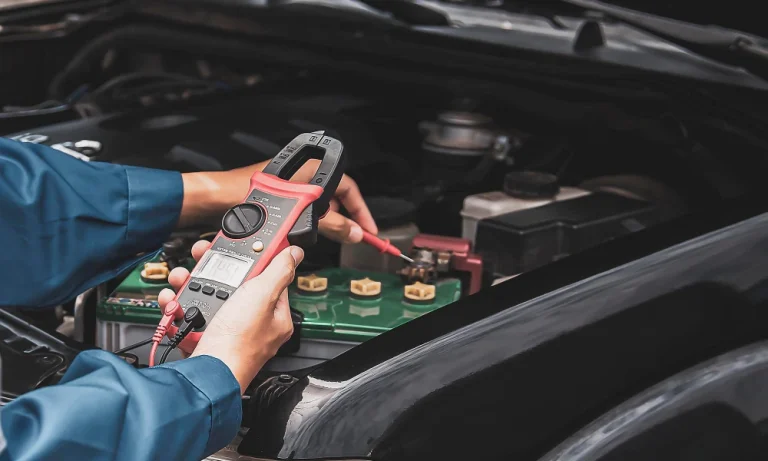
The battery serves as the heart of your vehicle’s power. It provides the initial energy to engage the heavy AC compressor. Low voltage levels often prevent the clutch from engaging properly. The alternator must maintain a steady flow of electricity always. Sometimes a weak alternator causes the fans to spin slowly.

Auto Service Experts OH checks these electrical components during every inspection. Poor power delivery ruins the most expensive mechanical parts quickly.

Sensors and Cooling Logic

Modern cars use many sensors to monitor the ambient air. These tiny devices tell the computer when to start cooling. A faulty external temperature sensor sends the wrong data constantly. The computer thinks the air is already cold outside today. So the system refuses to engage the cooling cycle at all. This digital glitch mimics a mechanical failure quite perfectly too. Technicians must use diagnostic tools to find these silent errors. Now the electrical signals control the blend doors inside the dash. These doors direct the cold air to your face directly. A broken actuator motor prevents the air from reaching you. Professional Auto AC Repair in Grove City, OH solves these issues.

Wiring and Grounding Issues

Corroded wires act like a block for the electrical current. Salt and moisture eat away at the metal connections slowly. Sometimes a loose ground wire causes intermittent cooling cycles now. The compressor may turn on and off without any pattern. This creates extra wear on the internal belts and pulleys. Frayed insulation leads to short circuits in the main harness. You might smell burning plastic when the system runs hard. Heat from the engine makes old wires very brittle today. Vibrations from the rotors and tires loosen the plastic connectors. Secure wiring maintains the steady flow of necessary cooling power.

Auto Service Experts OH provides the expertise for these modern cars. You deserve a chilly cabin during the hottest summer days. Keep the wires clean and the battery charged for performance. Your car will stay cool and reliable on every trip. Be sure to check the electrical health of your vehicle.