
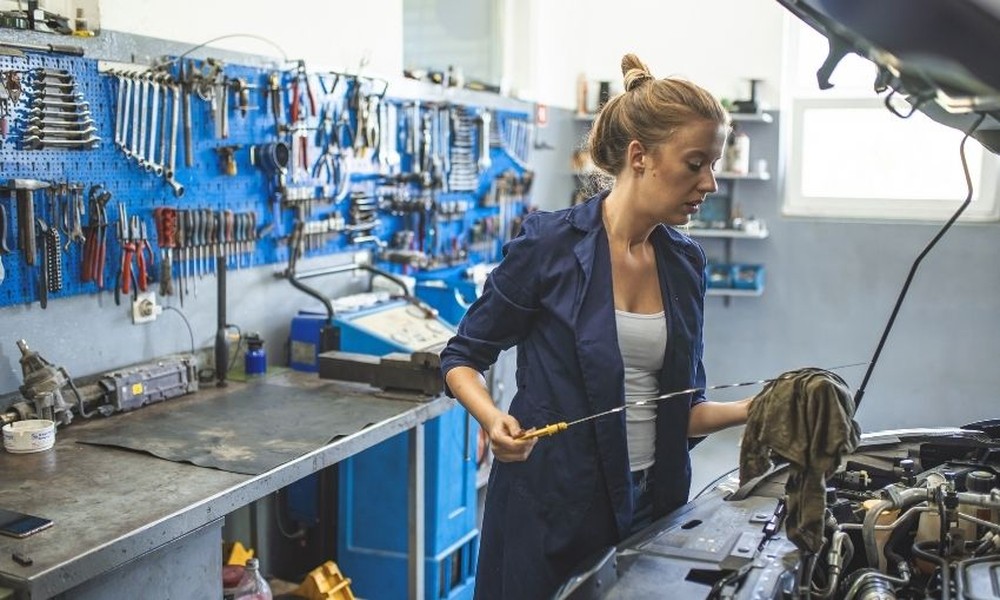
This is what you need to know about workshop fitouts. Even if you spend a lot of money, you might still end up with a space that doesn’t work.
The difference between a workshop that runs smoothly and one that gives you headaches is good planning. Here are some things to think about if you’re thinking about workshop fitouts,
Layout Is Everything
Layout determines how fast your team can work. Most people get it wrong.
Think about where cars enter. What happens next? How do they move through diagnosis, repair, final check? Every unnecessary movement is wasted time multiplying across every job.
Good fitouts figure this flow out before anything gets installed. They spot bottlenecks. They work out where bays should go.
Bad layouts are obvious instantly. Techs covering huge distances for tools. Cars parked awkwardly. Cramped work areas. These problems don’t go away.
Picking Equipment That Suits Your Work
Not all workshop equipment is the same. Quality varies massively.
Hoists for light vehicles are different from what you need for heavy vehicles. Air requirements depend on workshop size and tools you’re running. Oil systems have to match your service volume.
Get this wrong and you’re stuck. Systems that can’t cope. Over-specified gear that wastes money.
People who specialize in fitouts guide this selection based on how you actually operate.
Everything Has to Work Together
Your workshop isn’t separate pieces of equipment. It’s one system where everything needs to mesh.
Air distribution has to reach every bay with enough pressure. Oil management needs coverage plus waste handling. Extraction has to be positioned where fumes are.
When integration is done right, everything works. When it’s botched, you’re constantly dealing with pressure drops, systems that don’t reach where needed.
Fixing integration problems after installation gets expensive.
Custom Gear Built for How You Work
Generic workshop furniture is designed for nobody in particular. Custom stuff gets built for exactly how your team operates.
Benches where techs actually need them. Storage configured for how your people work. Parts bins positioned for common jobs.
This isn’t about looking fancy. It’s about eliminating frustrations that slow people down.
Meeting Australian Standards
Workshop fitouts have to comply with Australian standards. Not optional.
Hoists need certification. Electrical requires licensed approval. Ventilation has minimum requirements.
Companies that do fitouts professionally know these requirements. They make sure your installation complies, provide paperwork, handle inspections.
Try doing fitouts without this knowledge and you’ll end up with expensive retrofits.
Planning for Where You’re Heading
Workshops change. You might add EV servicing. You might expand offerings.
Your fitout should handle reasonable growth without needing complete redo. Planning capacity for expansion. Installing infrastructure that can handle more equipment later.
Look at EV servicing. Workshops done just a few years back often need major modifications. Smart fitouts build in flexibility.
What It Really Costs
Professional fitouts cost more upfront. Can’t pretend otherwise. But look at what you’re paying for.
Budget fitouts create ongoing costs. Inefficiency affecting every job. Equipment failing early. Compliance problems. No support.
Quality fitouts work properly from day one. Equipment performs reliably. Compliance is sorted. Support exists when needed.
Those efficiency gains add up over years. Initial cost difference disappears quickly.
Choosing Who Does the Work
Not every company has the same expertise. Some are genuinely good. Others are learning on your dollar.
Check their portfolio. Have they done fitouts similar to yours? Do they work with recognized brands?
The experience UNIPAC has with well-known automakers demonstrates what appropriate expertise looks like. Experts with hundreds of hours of experience are needed for this work.
Your workshop fitout determines how your business runs for years. Getting it right matters.

Comments are closed.