
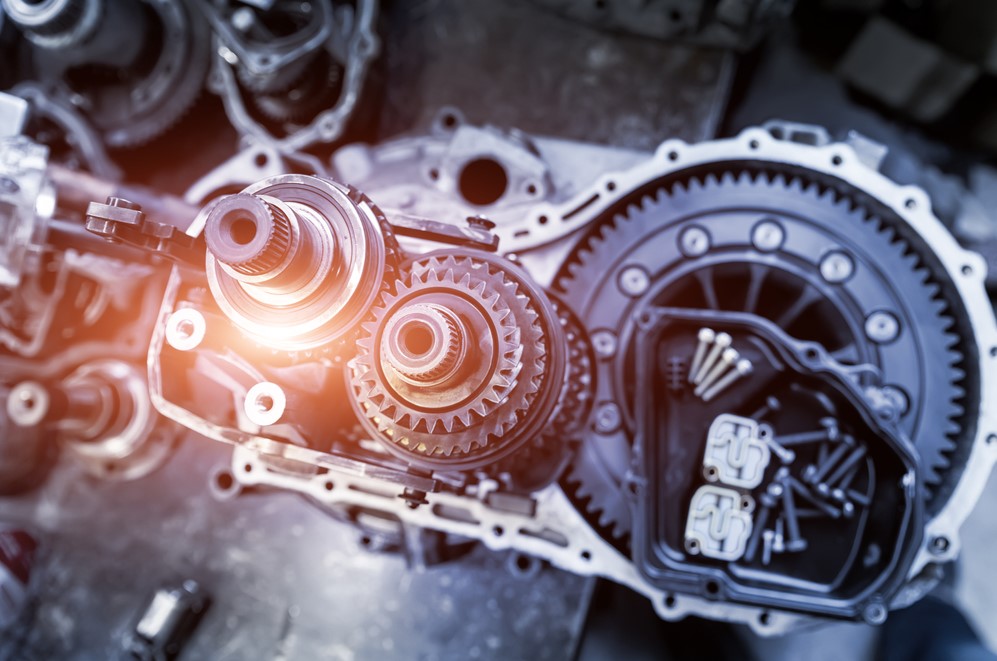
Car transmission repair is a subject that rewards careful attention, and the drivers who give it that attention consistently fare better than those who do not. This is not a matter of mechanical expertise. It is a matter of pattern recognition, of learning to identify the signals that a complex system sends when something inside it has begun to change. The transmission is one of the most sophisticated solutions the automotive world has produced to a demanding problem, and like all sophisticated systems, it communicates its vulnerabilities in ways that are consistent, readable, and, if understood early enough, highly actionable.
Why Transmission Problems Follow Predictable Patterns
One of the most instructive things about transmission problems is how reliably they repeat across different vehicle types, driving environments, and maintenance histories. The specific component that fails may vary, but the underlying causes, degraded fluid, accumulated wear, thermal stress, and neglected servicing, appear with a consistency that speaks to something fundamental about how these systems break down.
In Singapore, that consistency is amplified by persistent heat that accelerates fluid degradation and stop-start urban traffic that places automatic transmissions under repetitive stress. At Ellipse Auto, understanding these local conditions is central to how transmission assessments are conducted, because the environment in which a vehicle operates is inseparable from the problems it develops.
The Most Common Transmission Problems
Fluid Degradation and Contamination
If there is a single cause underlying more transmission failures than any other, it is fluid left in service beyond its effective life. Transmission fluid lubricates moving components, manages heat, and in automatic transmissions carries the hydraulic pressure that governs gear selection. As it ages, it loses viscosity and accumulates contaminants, including metal particles shed by internal components during normal operation.
The consequences follow a logical sequence. Lubrication becomes less effective, heat builds, and components that might otherwise last for years begin wearing at an accelerated rate. By the time symptoms appear, the fluid has typically been degraded for some time.
Solenoid Failures
Solenoids are the electro-mechanical valves that control fluid flow within automatic transmissions, governing when and how gear changes occur. When they fail, the effects are recognisable: erratic shifting, delayed engagement, and gears that slip or refuse to engage. Solenoid failures are among the more common findings in Singapore’s car transmission repair workshops, partly because of the heat and partly because urban driving cycles the transmission through its operating range so frequently. When identified in isolation, before downstream damage occurs, they are among the more straightforward and cost-effective repairs available.
Torque Converter Problems
The torque converter transfers power from the engine to the transmission and locks up at higher speeds to improve efficiency. When it begins to fail, the symptoms are characteristic: a shuddering sensation during acceleration, overheating, and in more advanced cases, a complete loss of drive. Torque converter problems are frequently misattributed to engine or tyre issues, making a structured diagnostic assessment essential for accurate identification.
Worn Clutch Packs
In automatic transmissions, clutch packs are the friction elements that engage individual gear sets. They wear progressively over time, and under the stress of degraded fluid or overheating, that rate accelerates. The presenting symptom is typically gear slip, where engine revs rise but vehicle speed does not increase correspondingly.
Synchroniser Ring Wear in Manual Transmissions
For drivers of manual vehicles, worn synchroniser rings are among the most common sources of transmission trouble. These components facilitate smooth gear engagement by matching the speeds of rotating elements before contact occurs. When they wear, gear changes become difficult and accompanied by grinding. Left unaddressed, the damage extends to the gear teeth themselves.
Seal and Gasket Failures
Seals and gaskets maintain fluid containment throughout the transmission system. Their failure leads to fluid loss, and fluid loss leads to every consequence associated with insufficient lubrication and hydraulic pressure. The signs are often visible: a reddish puddle beneath the vehicle after parking, or a burnt smell during driving. At Ellipse Auto, seal and gasket repairs are treated as urgent interventions precisely because the secondary damage they prevent is so much more costly than the repair itself.
What Good Diagnosis Actually Involves
Understanding the common problems is only useful insofar as it supports accurate diagnosis. A competent car transmission assessment begins with a structured road test that reveals how the transmission behaves under real operating conditions, followed by electronic fault code retrieval, fluid inspection, and where necessary, pressure testing. The goal is not simply to identify what has failed but to understand why, because a repair that addresses only the failed component without identifying its cause sets the stage for a repeat failure.
Conclusion
The patterns of transmission failure are well established, the warning signs are consistent, and the interventions, when applied at the right moment, are effective. What varies is not the nature of the problems but the point at which drivers choose to engage with them. In Singapore’s demanding driving environment, where heat and traffic density compress the timeline between early warning and serious damage, that timing matters more than almost anywhere else. For drivers who want to act on those patterns before they escalate, experienced and thorough Car transmission repair is the clearest path to a vehicle that remains reliable and genuinely road-worthy.

Comments are closed.