
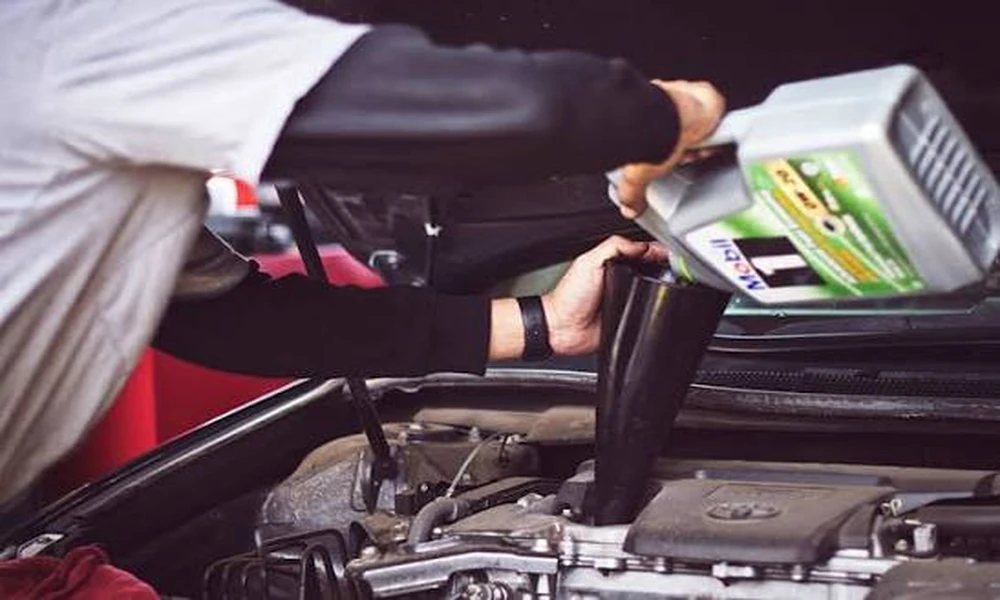
As fluid protection declines, friction can increase between important internal components. Increased friction creates additional heat which can further damage the fluid. This creates a harmful cycle where heat and friction continue affecting one another. Professional inspection can help determine whether heat caused the fluid deterioration.
Low Fluid Levels Can Increase Internal Transmission Heat
Transmission fluid must remain at an appropriate level for effective lubrication. A low fluid level can leave internal components without sufficient fluid coverage. The transmission may then experience increased friction during ordinary driving conditions. This friction generates additional heat throughout the transmission housing.
A fluid leak can gradually create this problem without obvious dashboard warnings. Seals and gaskets may deteriorate because of age or operating conditions. When fluid escapes, the remaining fluid works under increasingly difficult circumstances. So checking for leaks becomes important whenever burnt fluid appears during maintenance. Apex Auto Works can inspect the transmission system when fluid condition raises concerns.
Heavy Driving Conditions Can Increase Transmission Temperature
Now contaminated fluid can make heat management even more difficult. Old fluid may lose important protective properties after extended service intervals. Restricted cooling passages can further prevent heat from leaving the transmission efficiently. Apex Auto Works can help evaluate fluid condition and cooling related transmission concerns. Early attention can reduce the possibility of heat related internal deterioration.
Internal Wear Can Create More Heat
Internal transmission wear can sometimes contribute directly to excessive operating temperatures. Worn bearings can create additional friction while rotating inside the transmission assembly. Damaged clutch components can produce similar heat during repeated engagement cycles. Excessive friction may gradually change the condition of transmission fluid.
When fluid appears heavily degraded, continued driving may increase internal component wear. Apex Auto Works can perform appropriate transmission inspections to identify potential causes. Correct diagnosis helps prevent unnecessary repairs and protects remaining transmission components.
Why Prompt Professional Inspection Matters
A technician can inspect fluid condition while checking for leaks and mechanical symptoms. Cooling system components should also receive attention when overheating is suspected. Transmission pressures can provide additional information about internal hydraulic operation. These checks help establish whether the problem involves fluid deterioration or mechanical wear.
Reliable Auto repair in Kirkland, WA service can support professional transmission inspection when burnt fluid appears. Proper servicing can restore suitable lubrication while protecting important transmission components.
FAQs
Can burnt fluid smell remain after fresh transmission fluid is installed?
Yes, lingering smells can sometimes remain when overheated residue stays inside transmission components.
Can a transmission cooler problem cause burnt fluid without shifting symptoms?
Yes, restricted cooling can raise temperatures before noticeable shifting problems begin.
Does burnt fluid always mean the transmission needs replacement?
No, the underlying cause should be diagnosed before considering major transmission replacement.
Can driving style temporarily create burnt transmission fluid?
Heavy towing or repeated aggressive driving can increase temperatures enough to degrade fluid.

Comments are closed.