Category

Auto

Category

The Mini Cooper, with its compact size, responsive handling, and iconic style, is an exciting car to learn to drive. Its nimble nature and user-friendly features make it an excellent choice for new drivers, but its spirited performance requires focus and practice to master. Whether you’re learning in a manual or automatic Mini, here’s a guide to help you get comfortable behind the wheel and make the most of your driving journey.

Why a Mini Cooper Is Great for Learning

The Mini Cooper’s small footprint, tight turning radius, and precise steering make it ideal for beginners navigating busy streets or tight parking lots. Its modern safety features, like rearview cameras and parking sensors, provide extra confidence for new drivers. Plus, the Mini’s fun factor keeps learning engaging, turning every lesson into an adventure. However, its quick acceleration and sensitive handling mean you’ll need to approach learning with care and attention. You can win a Mini Cooper on the UK Minis website.

1. Get Familiar with the Controls

Before hitting the road, spend time in a parked Mini to understand its layout:

Adjust the Seat and Mirrors: 

Ensure you have a clear view of all mirrors and can reach the pedals comfortably. The Mini’s compact cabin is cozy, so fine-tune the seat height and distance.

Locate Key Controls: 

Find the turn signals, wipers, headlights, and gear shift (manual or automatic). The Mini’s quirky interior design, like the central toggle switches, might take a moment to get used to.

Explore the Infotainment System: 

Set up essentials like the radio or navigation, but avoid distractions while driving. If your Mini has a head-up display, learn how it shows speed and directions to keep your eyes on the road. If you’re learning in a manual Mini, practice pressing the clutch pedal and shifting gears while the car is off to build muscle memory.

2. Start in a Safe Environment

Begin in an empty parking lot or quiet residential area to get a feel for the Mini’s controls without traffic pressure. Practice these basics:

Starting and Stopping: 

The Mini’s responsive throttle can feel lively, so apply gentle pressure to the gas pedal. Practice smooth braking, as the car’s compact size means stops feel sharper than in larger vehicles.

Steering and Turning: 

The Mini’s go-kart-like handling is precise, so small steering inputs go a long way. Practice turning at low speeds to avoid oversteering.

Parking: 

Use the Mini’s tight turning radius to master parallel and perpendicular parking. If equipped, rely on the rearview camera and parking sensors, but also practice using mirrors alone. If you’re learning in a manual, focus on coordinating the clutch and gas to avoid stalling. The Mini’s clutch is forgiving, but it takes practice to find the “bite point.”

3. Master the Mini’s Manual Transmission (If Applicable)

Driving a manual Mini Cooper is rewarding but requires extra skill. Here’s how to get started:

Clutch Control: 

Practice releasing the clutch slowly while gently pressing the gas to move forward without jerking. Hill starts are trickier, so use the parking brake to prevent rolling back.

Shifting Gears: 

The Mini’s gearshift is precise, so practice shifting smoothly between first and second gear at low speeds. Listen to the engine to know when to shift—around 2,500–3,000 RPM for casual driving.

Downshifting: 

Learn to downshift smoothly when slowing down to keep the engine in the right gear. Avoid skipping gears until you’re more experienced. Stalling is normal for beginners, so stay patient and practice in low-pressure settings.

4. Build Confidence in Traffic

Once you’re comfortable with the basics, venture into light traffic with an instructor or licensed driver. Keep these tips in mind:

Maintain a Safe Following Distance: 

The Mini’s quick braking means you’ll stop faster than larger cars, so leave extra space to react to the vehicle ahead (aim for a three-second gap).

Anticipate Other Drivers: 

The Mini’s small size can make it less visible to larger vehicles. Stay out of blind spots and use headlights or daytime running lights to be seen.

Navigate Intersections: 

The Mini’s agility helps in tight turns, but always check for pedestrians and cyclists, especially in urban areas. If you’re in a manual Mini, practice starting and stopping in traffic to avoid stalling at lights or in stop-and-go situations.

5. Leverage Safety Features

The Mini Cooper’s safety tech is a beginner’s best friend. Get comfortable with:

Automatic Emergency Braking: 

Helps avoid collisions if you don’t react in time.

Lane Departure Warning: 

Alerts you if you drift, which is helpful when you’re still learning lane discipline.

Traction Control: 

Keeps the car stable on slippery surfaces, a plus for new drivers in wet or icy conditions. Don’t rely solely on these features—use them as backups while developing your own driving instincts.

6. Practice Defensive Driving

The Mini’s sporty feel can tempt you to drive faster, but as a learner, prioritize caution:

Scan Your Surroundings: 

Check mirrors every few seconds and glance over your shoulder for blind spots. The Mini’s compact size makes it easier to maneuver but harder to spot in others’ mirrors.

Signal Early: 

Indicate turns or lane changes well in advance to give other drivers time to react.

Avoid Distractions: 

Keep your phone out of reach and limit adjustments to the radio or climate controls while moving. Defensive driving ensures you’re prepared for unpredictable road situations, especially in a small car like the Mini.

7. Adapt to the Mini’s Quirks

The Mini Cooper has a unique driving feel that takes time to master:

Responsive Acceleration: 

Even base models feel quick, so ease into the gas pedal to avoid lurching forward.

Low Ground Clearance: 

Be cautious over speed bumps or uneven roads to avoid scraping the undercarriage.

Tight Cabin: 

If you’re tall, ensure you’re comfortable with the pedal and steering wheel positioning to avoid fatigue. If you’re driving the electric Mini Cooper SE, practice managing its instant torque, which can feel more intense than gas models.

8. Take Advantage of Driving Lessons

If possible, take lessons with a professional instructor familiar with Mini Coopers. They can teach you how to handle the car’s unique dynamics, especially if you’re learning in a manual. Some Mini dealerships or driving schools offer programs tailored to the brand, which can be a fun way to build skills while embracing the Mini spirit.

9. Stay Patient and Have Fun

Learning to drive is a journey, and the Mini Cooper makes it an exciting one. Don’t get discouraged by mistakes like stalling or imperfect parking—it’s all part of the process. The Mini’s playful personality encourages you to enjoy the ride, so celebrate small victories, like nailing a smooth gear shift or parking in a tight spot.

Final Thoughts

Learning to drive in a Mini Cooper is a thrilling way to build your skills and confidence. Its compact size, precise handling, and modern features make it forgiving for beginners, while its sporty edge keeps you engaged. By starting slow, mastering the controls, and practicing defensive driving, you’ll soon be navigating the road like a seasoned Mini driver. So buckle up, take it one lesson at a time, and enjoy the journey in your stylish, fun-loving Mini Cooper!


When Honda introduced the 8th generation Accord in 2008, it signaled a shift toward a larger, more refined mid-size sedan. Available from 2008 to 2012 (with some overlap in coupes until 2013), this generation offered a perfect blend of reliability, comfort, and performance. However, for car enthusiasts and tuners, its subtle styling left room for personalization—and that’s where body kits come in.

Whether you’re going for a VIP luxury look, aggressive street racer vibes, or a clean OEM+ style, body kits offer a great way to transform your Accord into something that truly reflects your personality. In this post, we’ll take a deep dive into accord 8th gen body kit, materials, design philosophies, and real-world tips for installation and maintenance.

Understanding the 8th Gen Accord: A Quick Overview

Before diving into body kit choices, let’s take a quick look at what makes the 8th gen Accord such a popular platform for customization:

  • Production Years: 2008–2012 for the sedan, 2008–2013 for the coupe.
  • Trims: LX, EX, EX-L, with V6 options available.
  • Notable Features: Larger body, wider stance than previous gens, with sharp headlights and a bold grille.
  • Aftermarket Support: High, especially in North America and Southeast Asia.

This generation is often considered a “blank canvas” because it has a commanding road presence but lacks the flair many enthusiasts seek.

Why Upgrade with a Body Kit?

A body kit is more than just aesthetics—it’s a style statement, a performance enhancer, and often, a passion project.

Here are a few reasons owners opt for a body kit:

  1. Personalization: Stand out from stock vehicles.
  2. Performance Enhancements: Aerodynamics, reduced drag, or improved downforce.
  3. Resale Value: When tastefully done, can increase interest among buyers.
  4. Repair & Restoration: Great for replacing damaged OEM panels with more stylish alternatives.
  5. Whether you’re daily driving, showing off at meets, or hitting the track, the right kit will elevate your Accord in every aspect.

Types of Body Kits Available for the 8th Gen Accord

1. OEM-Style Kits

These kits mimic factory trims from different markets (like the Japanese or European models) or optional sport packages.

Best For: Clean, factory-look builds
Popular Options:

  • Modulo (JDM Style): Offers lip kits that subtly enhance the factory bumpers.
  • Mugen Style: Slightly more aggressive than Modulo, but still very OEM-friendly.

2. Full-Aero Body Kits

These are aggressive, track-inspired kits that drastically change the appearance of the vehicle.

Best For: Show cars, widebody builds, aggressive street setups
Popular Brands/Styles:

  • Duraflex: Affordable fiberglass kits with aggressive lines.
  • JP Vizage & ChargeSpeed replicas: Based on high-end Japanese kits, available as knockoffs online.
  • Custom fiberglass builds: Common in local tuning scenes.

3. VIP-Style Body Kits

Inspired by luxury sedans in Japan, these kits emphasize width, presence, and elegance.

Best For: Air suspension setups, large wheels, deep lips
Common Features:

  • Deep bumpers, extended side skirts
  • Integrated diffusers
  • Chrome trim accents

4. Coupe-Specific Kits

The Accord Coupe has slightly different dimensions, so be careful when ordering.

Popular Choices:

  • HFP (Honda Factory Performance) Lip Kit
  • Custom widebody fender flares
  • Carbon fiber splitters for a more premium look

Material Breakdown: What’s Your Kit Made Of?

Knowing the material used in your body kit is essential for longevity, fitment, and maintenance.

1. Fiberglass

  • Pros: Cheap, lightweight, easy to modify
  • Cons: Prone to cracking if not handled carefully
  • Best For: Custom builds, show cars

2. Polyurethane (PU)

  • Pros: Flexible, impact-resistant
  • Cons: Can warp in high heat if poorly manufactured
  • Best For: Daily drivers

3. ABS Plastic

  • Pros: OEM-quality, durable, great fit
  • Cons: More expensive, limited styles
  • Best For: OEM+ and clean builds

4. Carbon Fiber

  • Pros: Lightweight, premium look
  • Cons: High cost, can fade if not UV-protected
  • Best For: Performance builds or premium appearances

Popular Body Kit Setups: Real-World Combos

Here are some popular combinations owners go for:

“OEM+” Look

  • Front Modulo lip
  • Side skirt extensions
  • Rear Mugen diffuser
  • 18″ OEM Honda wheels or mild aftermarket setups

Aggressive Street Style

  • Duraflex full kit
  • Carbon fiber hood
  • Wide wheels + coilovers
  • LED underglow (optional but trending again)

VIP Air Suspension Build

  • Custom front bumper with chrome accents
  • Side skirts with underglow LED strips
  • Deep dish 20″ wheels
  • Bags + camber kits

Track-Inspired Coupe Build

  • Carbon fiber lip & spoiler
  • Rear diffuser + functional venting
  • Big brake kit
  • Lightweight wheels

Fitment Tips & Installation Advice

No matter how good a body kit looks online, installation is where things can go wrong—or really shine. Here’s how to nail the process:

1. Test Fit Everything

Don’t skip this step. Always test fit all parts before painting. Use painter’s tape and clamps to mock it up.

2. Body Work May Be Required

Even the best kits may need trimming, sanding, or minor reshaping—especially fiberglass kits.

3. Use High-Quality Fasteners & Adhesives

  • 3M double-sided tape for lightweight lips
  • Self-tapping screws for hidden mounting
  • Rivnuts for secure, removable installs


4. Paint Before Install (Usually)

It’s easier to paint and clear coat most parts off the car. But, if the fitment needs blending or smoothing, prep it while on the car.

Maintenance and Care Tips

Your body kit is an investment—here’s how to keep it fresh:

  • Wash regularly to avoid road grime buildup, especially around the edges.
  • Reapply ceramic coating or wax on painted surfaces every few months.
  • Check mounting points for any loosening due to vibration or weather changes.
  • Avoid aggressive car washes with brushes—they can snag edges.

Where to Buy: Top Retailers and Resources

Online Stores

  • Duraflex/Extreme Dimensions
  • eBay & Amazon (for budget options, but double-check reviews)
  • AeroFunction, Ikon Motorsports – for specific lips and side skirts
  • Forums & Communities
  • DriveAccord.net
  • AccordNation
  • Facebook Groups like “8th Gen Accord Owners”

These communities are goldmines for advice, second-hand parts, and fitment feedback.

Final Thoughts: Making Your Accord Truly Yours

The 8th gen Honda Accord is more than just a dependable daily—it’s a tuner’s canvas waiting to be personalized. Whether you want a mild drop and clean lip or a head-turning widebody setup, there’s a body kit out there that fits your goals.

Just remember: quality over hype. Take your time to research materials, plan your install, and commit to a theme. The right body kit can take your Accord from “stock daily” to “showstopper” in a weekend—with the right tools and a bit of passion.

 Starting a car on a chilly morning can occasionally be difficult, particularly for older cars.  A cold start indicates the engine has been off for a period, often overnight, and the outside temperature is low.  For those considering used cars in sewell, knowing how a used engine performs in such circumstances is crucial.  It can enable you to select a vehicle that won’t cause you problems should the temperature fall.

 The Difficulties Cold Starts Cause for Engines

 The oil inside a cold engine is heavier.  The oil’s ability to circulate and protect every moving component is hampered by this.  Improper lubrication causes the engine components to rub against one another more, which could cause quicker wear.  While older or used engines may take longer to start, newer cars are designed with features that warm up faster.

 How Used Engines Respond to the Cold

 Used engines might not start as quickly as new ones.  Over time, components including spark plugs, fuel injectors, and sensors can become worn out or unclean.  Poor performance of these components could cause engine hesitation, stalling, or delayed starting.  Cold weather exacerbates this since it reduces the battery power and thickens the fluids in the automobile.

 A secondhand automobile that hasn’t been maintained regularly could also have engine build-up influencing cold start performance.  A healthy used engine should still start OK, but it might make more noise or wobble somewhat until it heats up.

 Methods to Increase Cold Start Performance

 Should you possess a secondhand car, there are easy actions you may do to assist it start better in the cold:

  • Maintain a full charge on the battery.
  • Use the correct engine oil advised for cold temperatures.
  • Change outdated air filters and spark plugs.
  • Drive after allowing the engine to warm up for several minutes.
  • If you have one, park your car in a garage or use an engine block heater.
  • Even on the coldest mornings, these actions can significantly improve your car’s performance.

 It’s wise to see how the engine starts from cold before purchasing any used cars in sewell.  A test drive on a cool morning or after the automobile has been resting for a while can tell you a lot about its state.

 If a used car engine has been maintained, it can still run well on a cold start.  Using the correct items and regular care help to keep it robust.  Should you be considering purchasing a secondhand car, take attention to how it starts when cold; this is one of the greatest indicators of how healthy the engine actually is.

When one or more cylinders don’t finish the combustion cycle correctly, an engine misfire happens. This may lead to increased emissions, harsh idle, poor acceleration, and a discernible loss of power. Although difficulties with fuel supply and ignition are frequently the first suspects, problems with the exhaust system, especially the exhaust manifold, may also be involved. Burned gases must be directed away from the engine by the exhaust manifold, and if it does not do this effectively, the combustion process may not function as intended.

How a Faulty Manifold Disrupts Engine Balance

Each cylinder’s hot gases are collected by the exhaust manifold and sent into the exhaust system. Exhaust gases may prematurely escape or unmetered air may enter the system when the manifold cracks or leaks, particularly close to the cylinder head. As the oxygen sensors depend on precise exhaust readings to assist the engine’s computer in regulating combustion, this leak has the potential to change the air-fuel ratio. Cylinders may run lean, too much air, and not enough fuel as a result, which can cause misfiring and incomplete combustion.

Backpressure and Cylinder Firing Timing

A balanced amount of backpressure in the engine is maintained via proper exhaust flow, which aids in controlling the timing and manner of cylinder firing. The timing and rhythm of the engine might be disrupted by a damaged or leaking manifold, which lowers backpressure. The engine may find it difficult to pull in a new air-fuel combination during the following cycle if it is unable to effectively release exhaust gasses. A weak combustion event also known as a misfire occurs when the incoming charge is contaminated by this residual exhaust gas. For reliable repairs and diagnostics to address such issues, Auto Repair in Hatboro, PA, offers expert services to ensure your engine and exhaust systems function optimally. Unburned fuel can eventually cause damage to the catalytic converter as a result of this condition.

Heat and Sensor Problems Add to the Issue

Exhaust manifold leaks often occur close to the cylinder head due to the shockingly high temperatures there. Apart from leaking, this fracture enables heat escape into areas it shouldn’t be in. Although all of which are required for the engine to work correctly, this extra heat could damage nearby sensors, coils, and ignition wires.

Conclusion

Inspecting the exhaust manifold and other common ignition components is essential if your car exhibits misfiring symptoms, such as engine hesitation, power loss, or strange noises. Visual examination may show damaged bolts, carbon accumulation close to flanges, or fissures. Serious difficulties like catalytic converter failure and shortened engine life can result from ignoring these concerns. You can keep your engine running smoothly and save future expensive repairs by identifying manifold issues early and re-establishing appropriate exhaust flow.


Winter’s beauty often comes with a price, especially when it comes to our vehicles. While we might think of the engine or tires as the primary concerns during cold weather, our car’s power windows can also be significantly affected by the harsh conditions. Understanding how winter impacts these seemingly simple mechanisms can help prevent future headaches and costly repairs.

The Freeze Factor: Ice and Snow Buildup

One of the most obvious, and damaging, impacts of winter on power windows is the formation of ice and snow. When moisture freezes between the window glass and the rubber seals, it can create a powerful bond. Attempting to operate the power window in this situation can strain the motor and potentially damage the regulator. In extreme cases, the motor can burn out completely, requiring a replacement. Furthermore, forcing a frozen window can crack the glass itself, leading to a much more expensive repair.

Cold Temperatures’ Effect on Materials

Beyond the formation of ice, the cold temperatures themselves can have a detrimental impact on the materials used in power window systems. Rubber seals become brittle and less pliable in freezing conditions, making them more susceptible to cracking and tearing. This allows moisture to seep into the window track, leading to further freezing and potential damage. Similarly, the grease and lubricants within the window motor and regulator can thicken in the cold, causing increased friction and making the system operate sluggishly. Choosing the Auto Repair in Palmer, MA based service would be important there.

Electrical Component Issues

Power windows rely on electrical components to function, and these too can be affected by winter weather. Cold temperatures can reduce the efficiency of the battery, potentially leading to a weak current reaching the window motor. This can result in slow or erratic window operation. Moreover, the wiring connecting the motor and switch can become brittle and cracked due to repeated exposure to freezing and thawing cycles. This can lead to shorts or breaks in the circuit, causing the window to stop working altogether.

Prevention and Maintenance Tips

Fortunately, there are steps you can take to mitigate the impact of winter on your car’s power windows. Regularly spraying the rubber seals with a silicone-based lubricant can help keep them supple and resistant to cracking. Ensure your car battery is in good condition and properly charged. Keeping your car garaged or covered during extreme weather can provide an added layer of protection. If your windows are frozen, resist the urge to force them open. Instead, use a de-icer spray or gently chip away at the ice before attempting to operate the window.

Recognizing and Addressing Potential Problems

Being aware of the signs of potential problems can help you address issues before they escalate. Slow or erratic window operation, unusual noises when operating the window, or visible damage to the rubber seals are all red flags. If you notice any of these symptoms, it’s best to have your power windows inspected by a qualified mechanic. Addressing a small issue early on can prevent a more costly repair down the road, ensuring your power windows keep functioning smoothly throughout the winter months.

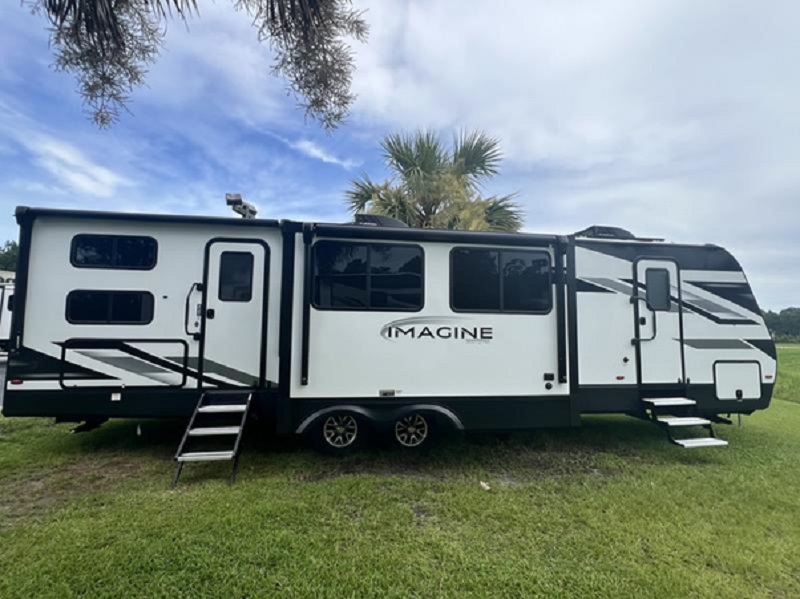
Weekend getaways primarily involve leaving city pressure behind and either enjoying outdoor experiences or visiting fresh locations. The 2025 Grand Design Imagine fulfills adventurous requirements for people who want travel comfort. This travel trailer delivers the essential elements for trips to campgrounds, off-grid locations, and roads.

If you are looking for travel trailers for sale in Iowa, the Grand Design Imagine should be your first choice.

Spacious and Luxurious Interiors

The 2025 Grand Design Imagine stands out due to its interior design which gives homeowners a familiar living environment. The design successfully optimizes interior dimensions to achieve a contemporary style pattern. Some key features include:

  • Open-concept living area with plush seating and entertainment options
  • The trailer contains a complete kitchen stocked with stainless steel appliances as well as solid-surface countertops together with an expansive pantry space.
  • The interior design features both sleeping areas with a room equipped with a queen bed as well as multi-purpose seating to accommodate additional guests.
  • Large bathroom with a residential-style shower and premium fixtures

Regardless of your travel companions, the Grand Design Imagine provides the necessary space together with comfortable amenities for your stay.

Durability and Easy Towing

A stellar travel trailer needs to provide longevity and simple operational towing abilities. The 2025 Grand Design Imagine shines when it comes to durability, performance, and easy towing capabilities.

  • The fuel-efficient operation together with easy maneuverability comes from its lightweight construction methods.
  • The aluminum framework strengthens trailer durability while keeping the weight low.
  • The trailer becomes more stable when it adopts aerodynamic structural elements.
  • Its advanced suspension model outputs a remarkably smooth drive regardless of terrain conditions.

This travel trailer model stands out as an ideal choice since it provides durability with easy maneuverability.

Smart Technology and Safety Features

The 2025 Grand Design Imagine possesses advanced modern technology that ensures smooth and secure travel experiences:

  • Monitor power water and temperature levels together through the smart control panel
  • Light Emitting Diode lights span throughout the trailer to enhance energy conservation
  • A climate control system provides year-round comfort to users.
  • Security elements in this model come with a backup camera, an anti-sway control system, and reinforced entry doors.

The combination of safety and convenience features makes this product one of the best options available in the market.

Designed for Any Adventure

Regardless of your vision for parking at a luxury campground or off-grid camping grounds, the Grand Design Imagine provides flexible solutions. It includes:

  • Large freshwater and waste tanks for extended stays
  • Solar power options for off-the-grid camping
  • The vehicle features all-terrain tires together with increased ground clearance which provides better performance in tough terrain conditions.

This model is an ideal choice for those who are looking for Iowa travel trailers for sale and desire a flexible camping setup providing luxury benefits.

Final Thoughts

The 2025 Grand Design Imagine creates one travel trailer solution containing luxury features, durability, and user-friendly applications. Whether you want to spend time with your family or explore, this trailer will be the ideal choice because it meets absolute convenience needs and adds sophisticated style.

Begin your search for available models today and make unforgettable road memories!

Picture yourself gliding effortlessly past gridlocked traffic on your way to work, feeling the breeze as you enjoy a smooth, uninterrupted ride. This is the convenience electric scooters bring to modern commuting—offering an efficient and eco-conscious way to travel through the city. As the demand for both speed and sustainability continues to grow, electric scooters stand out as a practical alternative to traditional transportation. This guide will walk you through the essential factors to consider when choosing the right electric scooter for your daily travel needs. By the end, you’ll have a clear understanding of the features to prioritize and how to compare different electric scooter models to find your perfect match.

Benefits of Electric Scooters for Commuting

Electric scooters offer a wealth of advantages for city travelers. They are environmentally friendly, budget-conscious, and perfectly suited for weaving through urban streets. Unlike vehicles that rely on fuel, these scooters produce zero emissions, helping reduce your personal carbon footprint. They also require significantly less upkeep, saving you money on maintenance and operational costs.

Their compact design makes them ideal for avoiding traffic bottlenecks, and the ability to park easily in tight spaces adds to their everyday convenience. For short to medium distances, electric scooters can be a faster, more flexible option than driving or taking public transport.

Key Features to Consider

When selecting an electric scooter, several key elements can directly influence your riding experience. Evaluating these factors in detail ensures you choose a model that complements your lifestyle and commuting habits.

Range

Range refers to the total distance an electric scooter can travel on a single charge. For daily use, consider the round-trip distance between your home and workplace, along with extra mileage for errands or detours. Most commuter scooters fall within a 15 to 30-mile range. Selecting a model that comfortably covers your daily needs will help prevent frequent charging and reduce range-related concerns.

Speed

Speed plays an important role in efficiency and safety. Commuter-focused scooters generally offer top speeds of 15 to 25 mph. While faster speeds can shorten your travel time, they may also require greater control and stability. It’s wise to match your scooter’s speed with the traffic conditions and road types you encounter regularly.

Weight and Portability

If you need to carry your scooter onto public transportation or store it in a small space, weight and foldability are key considerations. Lightweight models—usually between 20 and 40 pounds—are easier to handle, but they may have trade-offs in range and battery size. Think about how often you’ll lift or transport the scooter to ensure it meets your portability needs.

Battery Life and Charging Time

Battery performance impacts both convenience and ride planning. Larger batteries can deliver greater range but often add extra weight and cost. Charging times typically vary from 3 to 8 hours, depending on the model and charger type. For frequent commuters, a scooter with quicker charging capabilities can be a valuable advantage.

Build Quality and Durability

The strength and quality of materials used in an electric scooter directly affect its lifespan. Models built from durable materials like aluminum or carbon fiber offer better resilience. Check for solid construction, reliable braking systems, and sturdy tires. Water-resistant features can also be crucial if you plan to ride in varying weather conditions.

User Reviews and Reliability

Reading real user feedback provides insight into how a scooter performs beyond its specifications. Reviews can highlight common strengths and potential issues, helping you make a more informed decision. Choosing a model from a manufacturer with a good reputation for quality and service can give you added peace of mind.

Additional Features

Extra features can elevate your overall riding experience and provide added comfort or safety.

Suspension System

A strong suspension system can absorb bumps and vibrations, making rides smoother and more comfortable—especially if your route includes uneven roads or mixed terrain.

Tires

Tire type influences both comfort and upkeep. Air-filled tires tend to provide a softer ride but may require more maintenance. Solid tires are puncture-proof but can feel less forgiving on rough surfaces.

Lighting and Visibility

Good lighting is essential for safety. Bright front and rear lights, along with reflective accents, improve visibility when riding at night or in low-light conditions.

App Connectivity

Some modern scooters integrate with smartphone apps, allowing you to monitor battery levels, track rides, and even lock your scooter remotely. This can be a handy feature for riders who appreciate tech-enabled convenience.

Cost vs. Value

Prices for electric scooters vary widely, so it’s important to assess value rather than just initial cost. Higher-priced models often include better build quality, advanced features, and longer warranties. Consider whether investing more upfront could save you money in repairs or upgrades later.

Safety Considerations

Your well-being should always come first when riding an electric scooter.

Helmets and Protective Gear

Wearing a helmet is non-negotiable, and additional safety gear—such as elbow and knee pads—can further reduce the risk of injury in case of a fall.

Regular Maintenance

Keeping your scooter in top condition ensures both safety and performance. Regularly inspect the brakes, tires, and battery health, and follow the manufacturer’s recommended service guidelines.

Legal Regulations

Be aware of local laws governing electric scooter use. These rules can dictate where you’re allowed to ride and set limits on speed. Compliance helps you avoid fines and ensures safer riding.

Case Study: Commuter Experiences

Urban Commuter

One city-based rider chooses a lightweight, foldable scooter with solid tires and a moderate range, ideal for avoiding crowded public transport. The portability and minimal upkeep make it a perfect fit for quick, daily trips.

Suburban Commuter

A commuter from a suburban area selects a scooter with a higher range and dual suspension, prioritizing comfort for longer rides on varied surfaces. While heavier and slower to charge, it offers excellent reliability and smooth performance.

All-Weather Commuter

A rider in a region with unpredictable weather opts for a water-resistant scooter with bright LED lighting and pneumatic tires for better grip. The added weight and cost are outweighed by consistent performance in all conditions.

Conclusion

Choosing the right electric scooter for daily commuting involves balancing range, speed, weight, battery life, and extra features. By clearly defining your needs and preferences, you can find a model that makes your travel both efficient and enjoyable. Prioritize safety and durability, and don’t hesitate to invest in a model that offers long-term value. With careful consideration, you’ll be ready to transform your daily commute into a smoother, more sustainable experience.

Longitudinal recalculation delays in a car’s navigation system may be frustrating when trying to find the quickest path or when directions are frequently changed due to traffic. These delays might make driving difficult and lower the general system performance. Understanding the reasons of long recalculation times and understanding how to solve them helps one restore the performance of the system and boost its dependability while driving on different paths. See Auto Repair in Grand Rapids, OH for professional diagnostics and fixes.

Reasons for Extended Recalculation Times

There are many reasons why a car’s navigation system could have long recalculational times. One of the key reasons is either incomplete or outdated map data. If the system is utilizing old map data, especially if new roads or traffic pattern changes are not included, it might find it difficult to decide the optimum paths. Still another common cause is a weak GPS signal. If the GPS connection is poor or inconsistent, the system can require more time to exactly reevaluate the route. Moreover, a system that finds it difficult to manage real-time data—that is, one with a low CPU or inadequate processing capacity—may also cause delays in route recalculation.

Frequent Map Data Update

Auto Repair

Reducing re calculation delays in your navigation system depends on routinely updating the map data. Most navigation systems allow one to get the most current map updates using USB or Wi-Fi. Changing the maps assures that the system has access to the most latest road data, therefore considerably reducing re calculation times. Keeping the map data updated will help the system to better assess and adjust to changes in the road network. Faster recalculation times and more accurate route advise follow from this.

Increasing the GPS Signal’s Strength

If your GPS signal is poor, recalculating paths might take more time as the algorithm could find you difficultly exactly. To improve GPS performance, make sure the GPS antenna is positioned precisely free of obstacles. Driving on wide-open highways, where there are broad sightlines to the heavens, may also help one keep a strong signal. It might be necessary to have an expert check the antenna or receiver to ensure perfect signal strength in cases where GPS performance is still inadequate.

Conclusion

Reducing long recalculation times in your car’s navigation system may be accomplished by strengthening GPS signal quality, updating map data, and ensuring system operation at maximum efficiency. Maintaining current maps and ensuring a solid GPS connection would help to significantly reduce re calculation times, therefore improving the user experience generally. Regular maintenance of the navigation system, including hardware inspections and software updates, may help to ensure that the system continues reliable and efficient for next excursions.

While selling your used automobile could provide extra money, scheduling the transaction will help you to maximize the profit. Whether you want to profit from strong demand or avoid market swings, knowing when to sell your automobile can make all the difference in the price you get, especially if you’re looking for used cars in el cajon where the market is thriving with great options.

Consider Local Market Demand

The best moment to sell your car depends much on the location. Depending on local climate or way of life, some areas might have more demand for particular kinds of automobiles. For instance, convertibles or sports cars are more sought after in warmer locations; four-wheel-drive automobiles and SUVs are generally in demand in areas with hard winters. Acknowledging the popular kinds of vehicles in your area and modifying your selling schedule to fit that demand will assist you in getting the greatest potential price.

Timing the Economic Climate

When you should sell your car depends in great part on your financial situation. More purchasers in the market for a car during periods of economic expansion and low unemployment could cause more competition for secondhand cars. Conversely, consumers are less likely to make big purchases during uncertain times or recessions. Maximizing your return requires considering the larger economic environment and selling when consumer confidence is strong.

Selling Before Major Vehicle Depreciation

Although they lose value the instant they are driven off the lot, cars usually lose value more quickly in the first few years. Try to sell your car before it starts to lose much value to help to reduce the effect of depreciation. Usually in the first three to five years, this is as the rate of depreciation slows down following this period. Timing your sell before your car enters its steepest decline will help you maximize the return on investment.

Selling your old automobile for the highest profit calls for more than just choosing to list it. It’s important to consider all your options, and if you’re looking for a great deal, used cars in el cajon can offer competitive prices and a variety of reliable vehicles to choose from. By making smart decisions, you can ensure that both selling and buying go smoothly and profitably. Your sales will generate much more money if you are clever about timing, consider seasonal trends, local demand, economic conditions, and depreciation cycles. Timing the sale of your car correctly guarantees that you optimize your profit and make maximum use of your asset.

Early detection is crucial since faulty wiring in a car’s turn signal system can cause a number of problems. When the turn signals completely stop functioning, it is the most evident evidence of bad wiring. If the turn signal is turned on but the light does not flash or ignite, there may be a wiring connection issue. Additionally, you might observe the signal functioning sporadically on one side, either flashing momentarily or not functioning at all. In these situations, there may be irregular or non-existent electrical flow to the signal lights due to loose, corroded, or damaged wiring. Turn signal flashing problems? Get Auto Repair in Auburn, WA to fix wiring issues.

Unusual Flashing Speed

The turn signal flashing abnormally quickly or slowly is another evidence of wiring problems in the turn signal system. A blown bulb is frequently the source of fast flashing, but if there is also a weak or flickering signal, it could be the result of bad wiring connections. Conversely, slow flashing may indicate a malfunctioning turn signal relay or a weak electrical connection in the wiring. The system should be inspected for problems if the flashing speed is irregular and deviates from typical operation, since this could indicate that the wiring is not providing a steady power supply.

Dim or Flickering Signals

Another typical indication of wiring issues is dim or flickering turn signal lights. A loose or corroded wire connection is frequently indicated by a faint or fluctuating signal. A bad connection between the turn signal bulb and the socket, where the electricity isn’t being transmitted regularly, could potentially be the cause of this. In certain instances, corrosion and a fluctuating power supply may result from water or debris getting inside the electrical components. It’s obvious that there might be a wiring problem that has to be fixed if you see that the signal lights flicker or seem dull.

Problems with Turn Signal Relay and Circuit

The turn signal relay, which regulates the electrical current flowing to the lights may also be impacted by defective wiring. Turn signal bulbs may malfunction if the relay’s wiring is damaged because it may not allow the right current to reach them. Turn signals may flash intermittently or not at all as a result of a relay issue. Verify that the wiring connecting to the relay is secure and free of corrosion or damage in order to look for any problems.

Professional Diagnosis and Repair

It’s critical to get your turn signal system professionally tested and repaired if you suspect defective wiring. A mechanic will start by looking for obvious corrosion, wear, or damage in the wiring. In order to evaluate the electrical flow and find any places where the connection has been disrupted, they could also employ specialist diagnostic instruments.